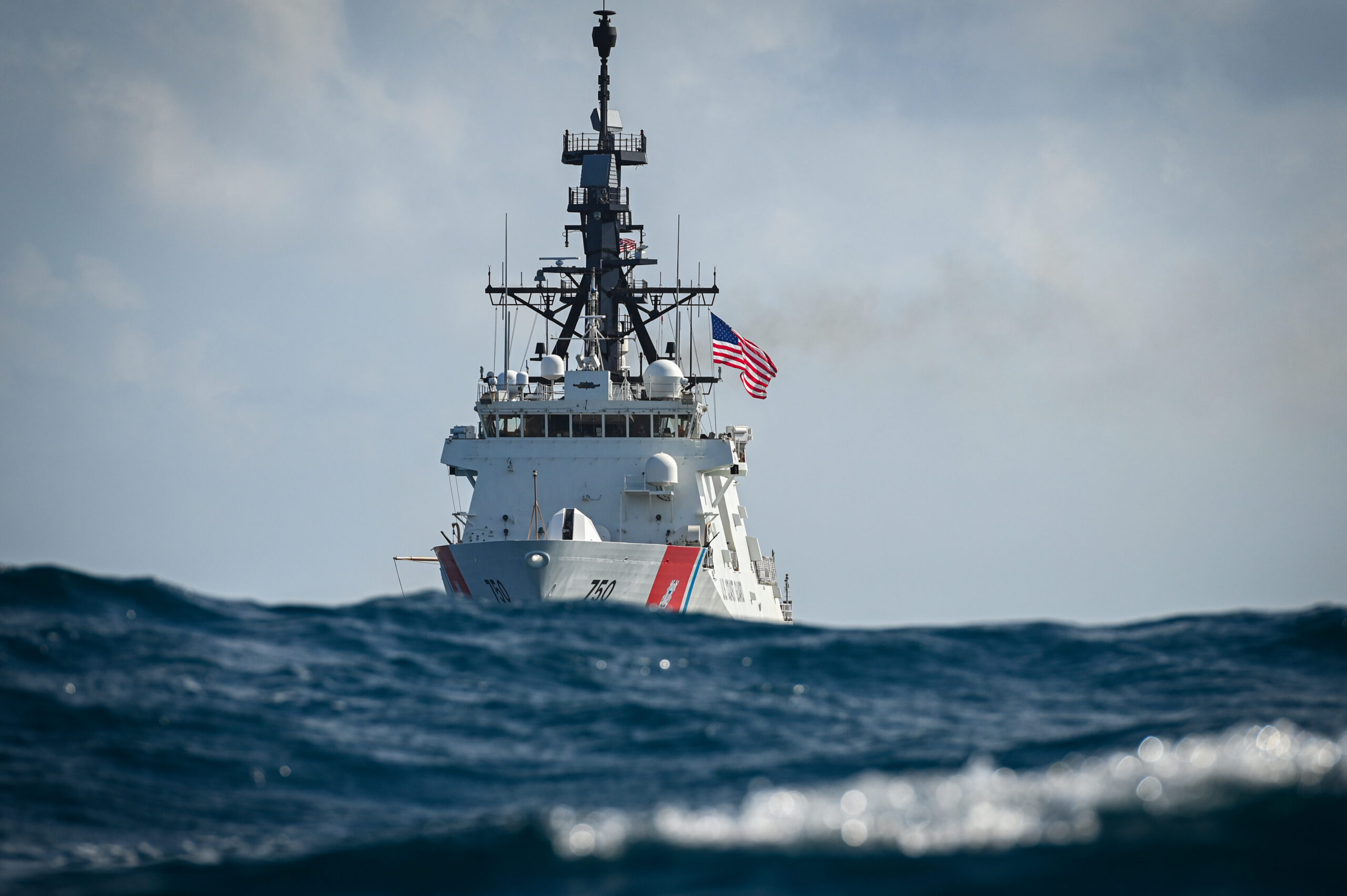
-
Behind the Codes: The Hidden History of Coast Guard Unit #387
—From Prohibition-era rum runners to Axis spy networks during World War II, Elizebeth Friedman and the Coast Guard team known as Unit #387 cracked thousands of secret messages that helped disrupt criminal operations and support the Allied war effort.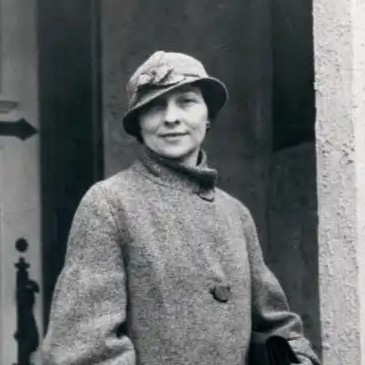
-
From a failed rescue to a life-saving program—The unofficial story of SARWET
—In the early 1970s, a botched rescue attempt along the California coast sparked the idea for SARWET—the Sea-Air-Rotary-Wing Evacuation Team—the unofficial precursor to today’s Coast Guard Rescue Swimmer Program.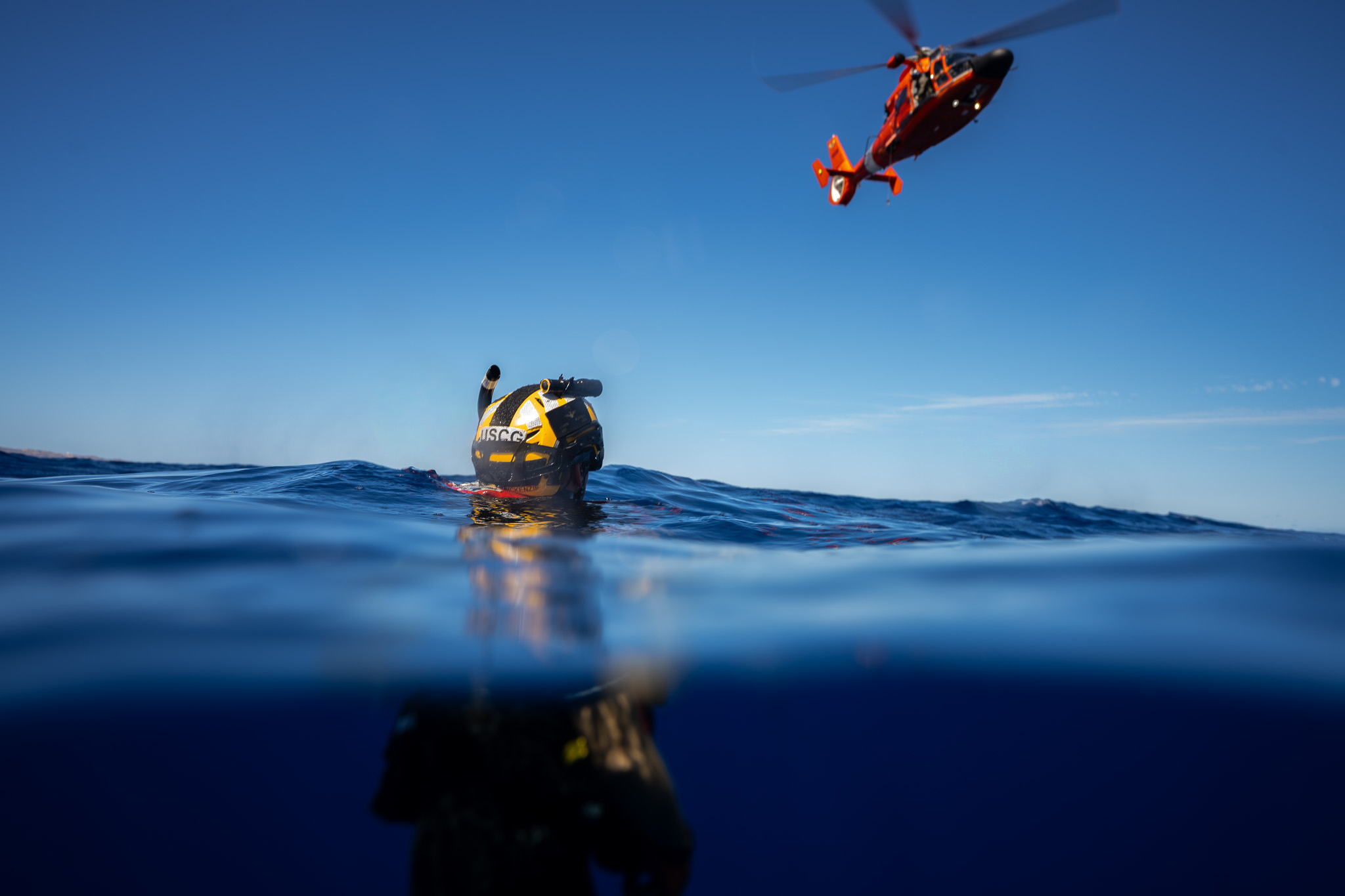
-
Legacy Underway: How FRC Namesakes Inspire Today’s Crews
—When fire engulfed a fishing vessel at sea, the crew of CGC William Chadwick answered the call with the same readiness that drove their namesake through a nor’easter 146 years earlier, proving that history can be more than remembrance: it can be a standard to live up to.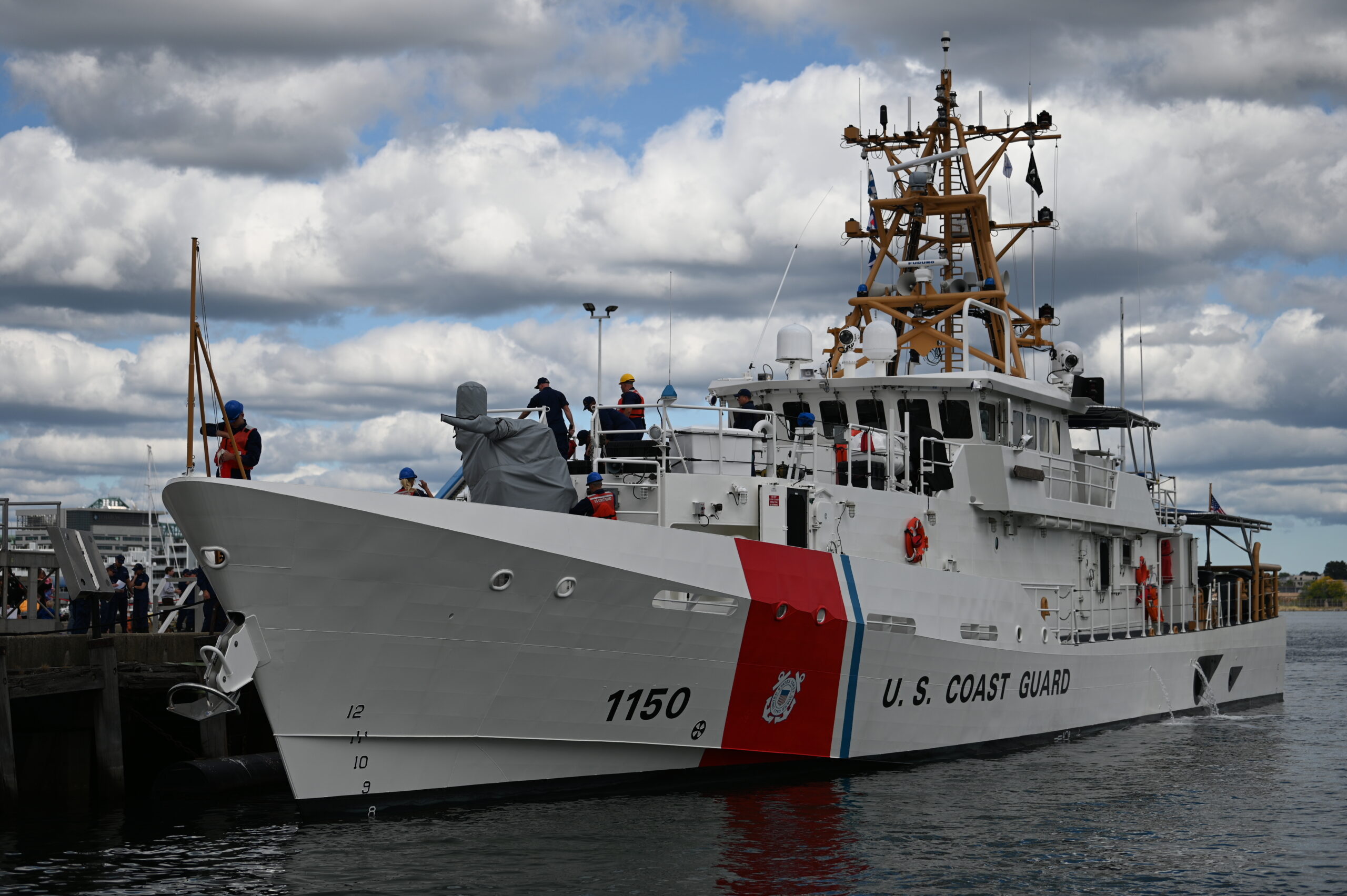
-
Drawing under fire: Combat artist Norman Thomas and the Coast Guard in World War II
—From icebound Greenland to the burning deck of USS Callaway and the beaches of Luzon and Iwo Jima, Norman Thomas drew what cameras could not: the fear, sacrifice, and human cost of war witnessed at close range.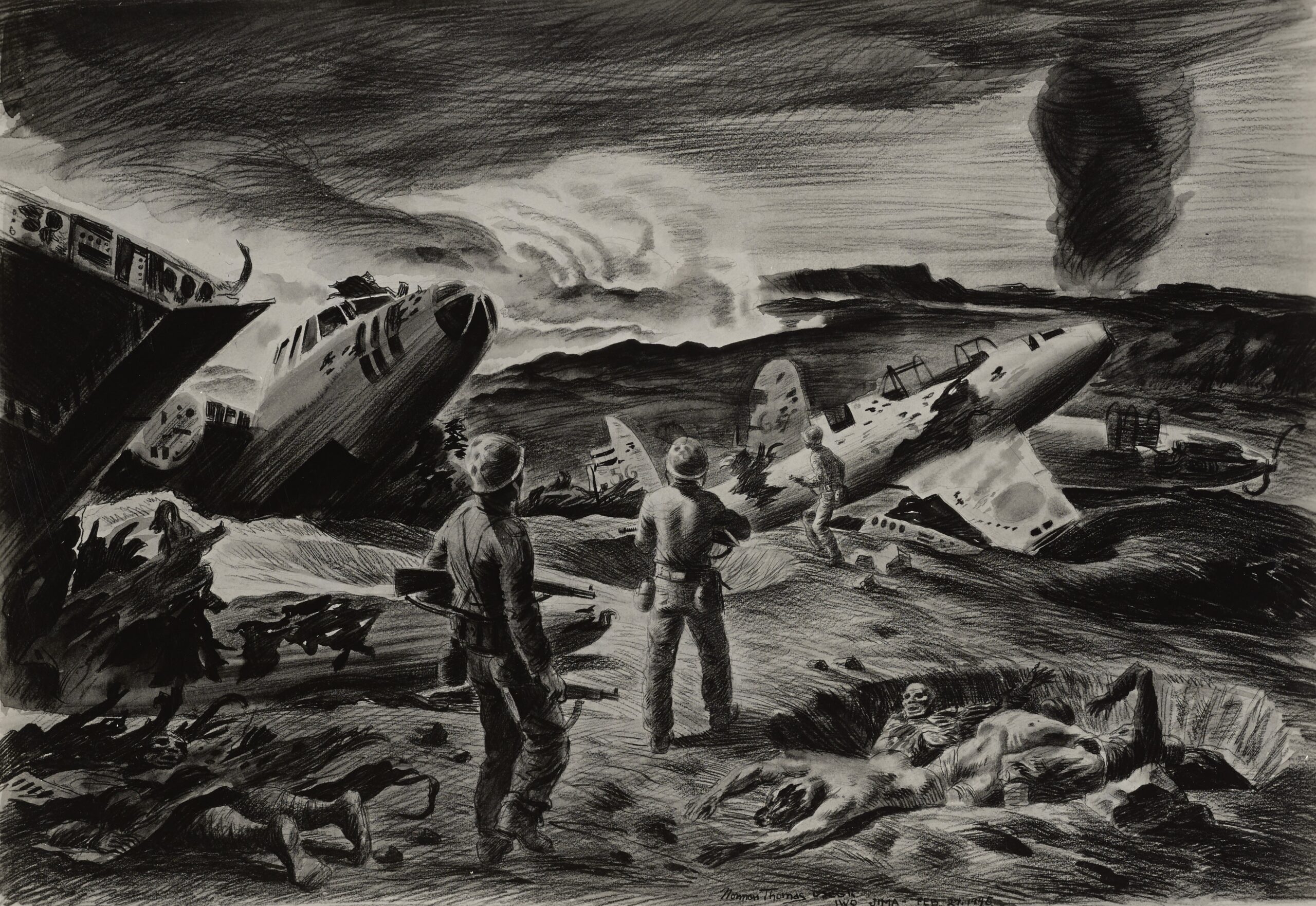
-
“Offense on Defense”—football legend Emlen Tunnell was a Coast Guard hero
—Before he became “Mr. Defense” and a Pro Football Hall of Famer, Emlen Tunnell saved a burning shipmate with his bare hands, jumped into freezing water to rescue another, and carried that same courage into a career that changed football history.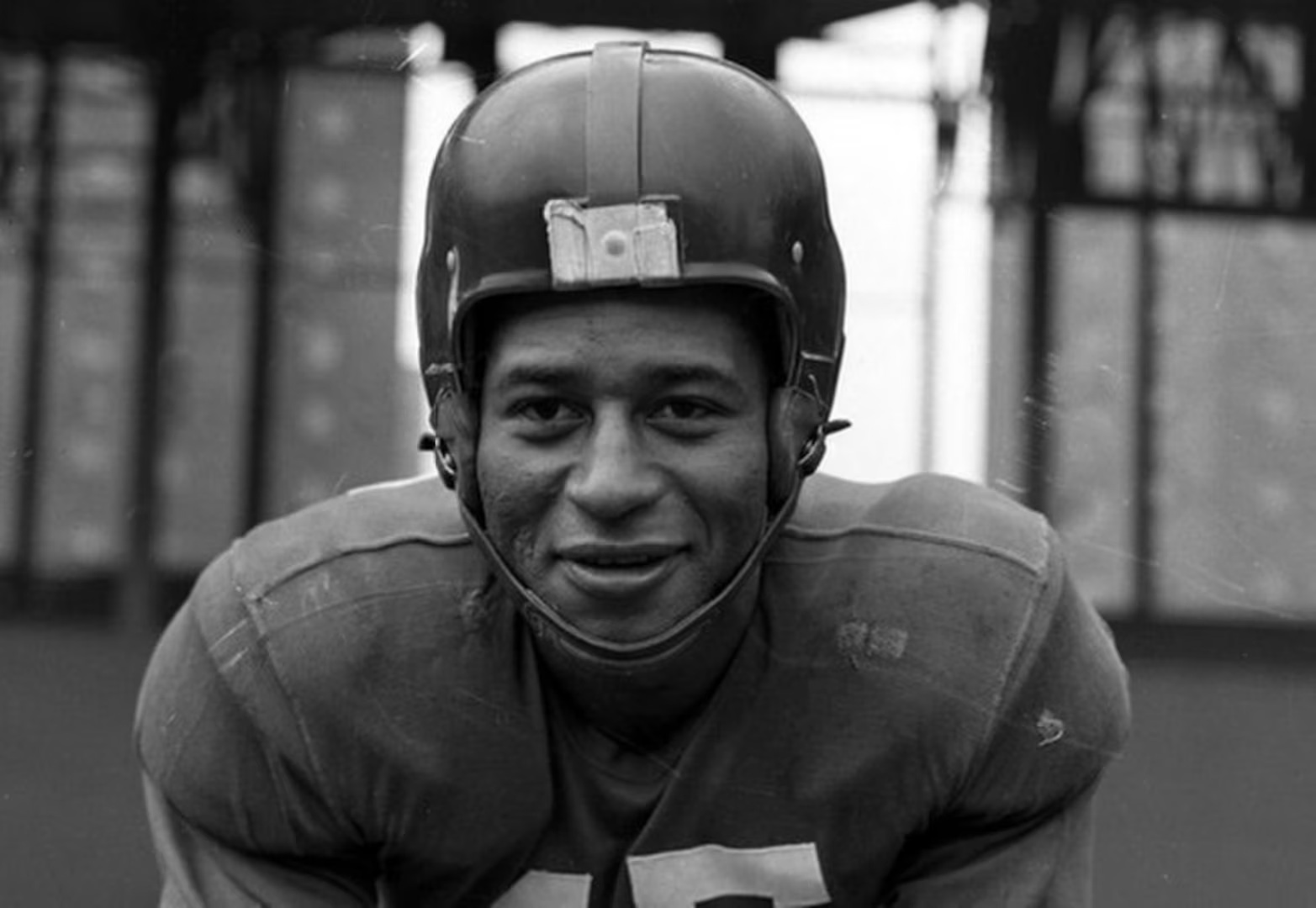
-
“No greater love”—Billy Flores, hero of the Blackthorn lost over 45 years ago
—As Blackthorn rolled into the dark waters of Tampa Bay, 18 year old Seaman Apprentice Billy Flores kept throwing life jackets to shipmates in the water, then used his own belt to hold the locker open as the cutter sank. His final act helped others live.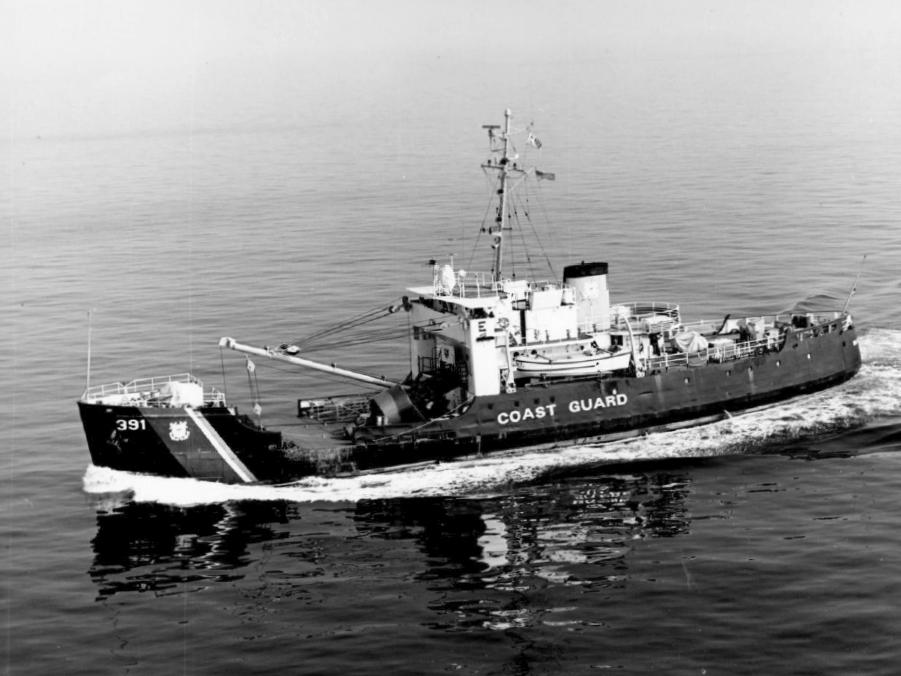
-
Retired Adm. Mike Day on 9/11: “When things were at their worst, the Coast Guard was at its best”
—Rear Admiral Mike Day reflects on the 9/11 boatlift, civilian mariners, and the leadership lessons he carried throughout his career.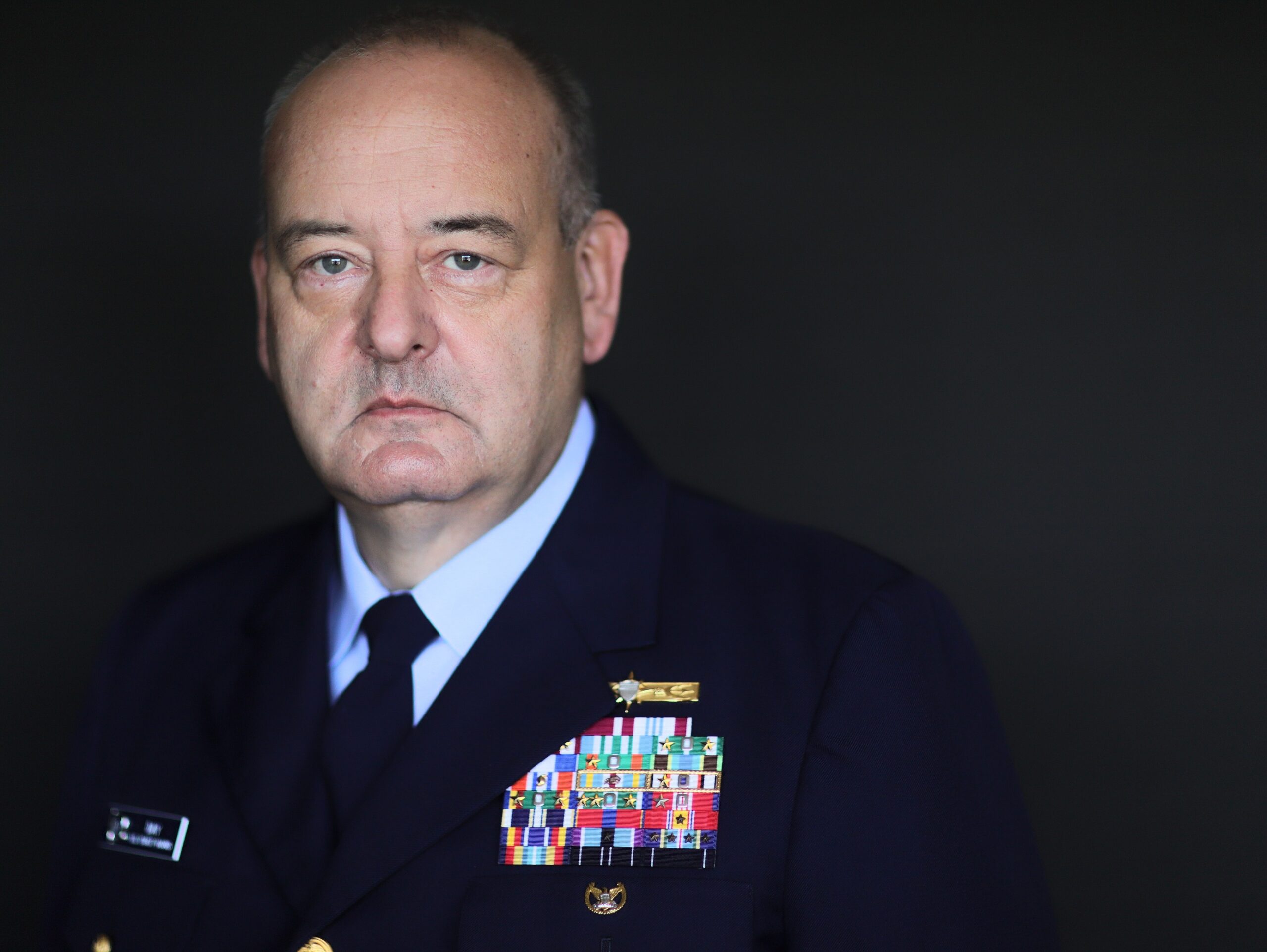
-
“Go Be Brilliant”—Leadership When There Is No Playbook: 9/11, Coast Guard Activities New York, and Rear Adm. Richard Bennis
—After 9/11, the New York maritime evacuation was only the beginning. Facing months of unprecedented port security demands, Rear Adm. Richard Bennis gave his leaders three words: “Go be brilliant.” Behind that simple charge was a command culture built on trust, preparation, relationships, and the freedom to innovate when no playbook existed.
-
“Go to New Orleans and do whatever you can to help!”—A Coast Guard aviator remembers Hurricane Katrina
—With no armor, no fixed plan, and reports of gunfire below, Cmdr. Jim O’Keefe flew into flooded New Orleans again and again, lifting survivors from rooftops, hospitals, and ambulances until 214 people were safe.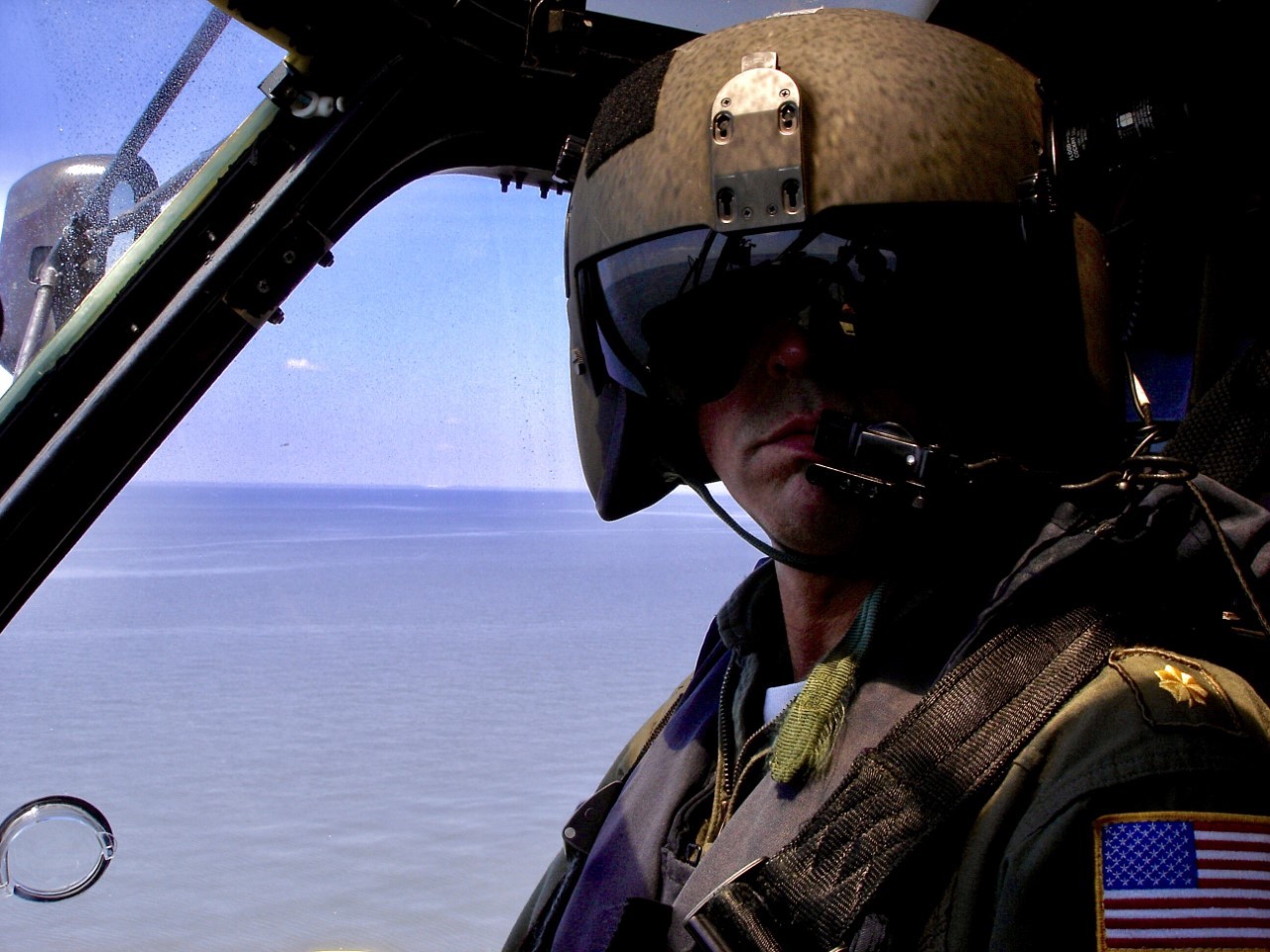
-
From Near Extinction to Rebirth: The Coast Guard’s First Reorganization
—A federal efficiency drive nearly erased the Revenue Cutter Service. Instead, Sumner Kimball and Ellsworth Bertholf turned crisis into a merger that joined cutters with lifesaving stations, created the modern Coast Guard in 1915, and forged a military service ready for World War I.