The Coast Guard in Vietnam—patrols, cutters, and courage at sea
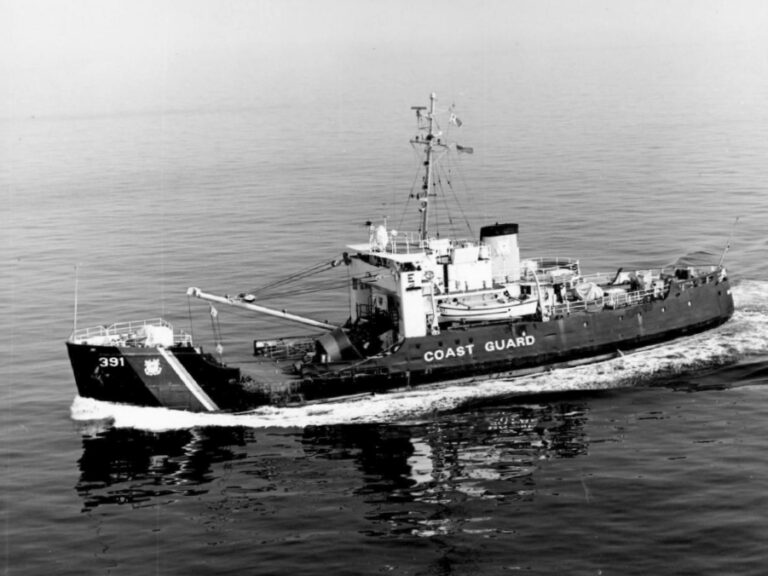
Eight thousand Coast Guardsmen served in Vietnam—interdicting, rescuing, training, and building LORAN and ATON systems that proved critical to the war effort.
From Hamilton’s first revenue cutters and early lighthouses to ocean station ships, LORAN nets, Antarctic and Arctic icebreakers, and today’s forces in Europe and the Middle East, Atlantic Area has grown from a coastal patrol to a global network over more than two centuries.
From World War II convoys and Cold War port security to Desert Storm, Deepwater Horizon, and pandemic response, the Reserve has spent 85 years surging into crises at home and overseas—providing the extra force the service needs when the stakes are highest.
Carrying a Speed Graphic through bombs, bullets, and surf from Sicily to Salerno, Normandy, and Southern France, Coast Guard photographer Robert Sargent turned one LCVP’s approach to Omaha Beach into “Into the Jaws of Death”—an image that came to define D Day even as the man behind the lens faded into a footnote.
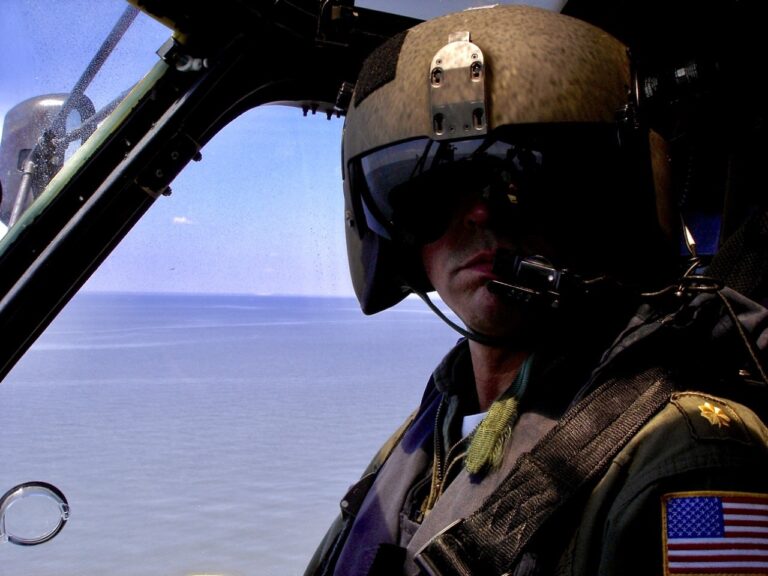
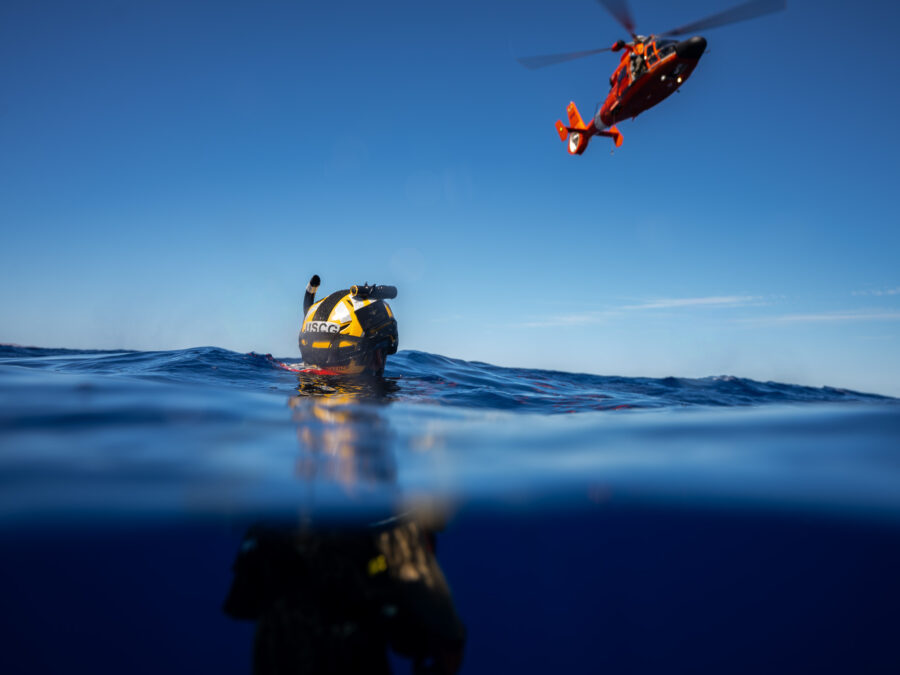
One of Hurricane Sandy’s defining rescues unfolded in 30‑foot seas off Cape Hatteras, as C‑130 and Jayhawk crews flew at 300 feet in the dark, dropped swimmers into “washing machine” water, and hoisted 14 HMS Bounty sailors from two life rafts in the “Graveyard of the Atlantic.”
As new mission threats have evolved, the Coast Guard’s canine team capability has also evolved.