-
Legacy Underway: How FRC Namesakes Inspire Today’s Crews
—When fire engulfed a fishing vessel at sea, the crew of CGC William Chadwick answered the call with the same readiness that drove their namesake through a nor’easter 146 years earlier, proving that history can be more than remembrance: it can be a standard to live up to.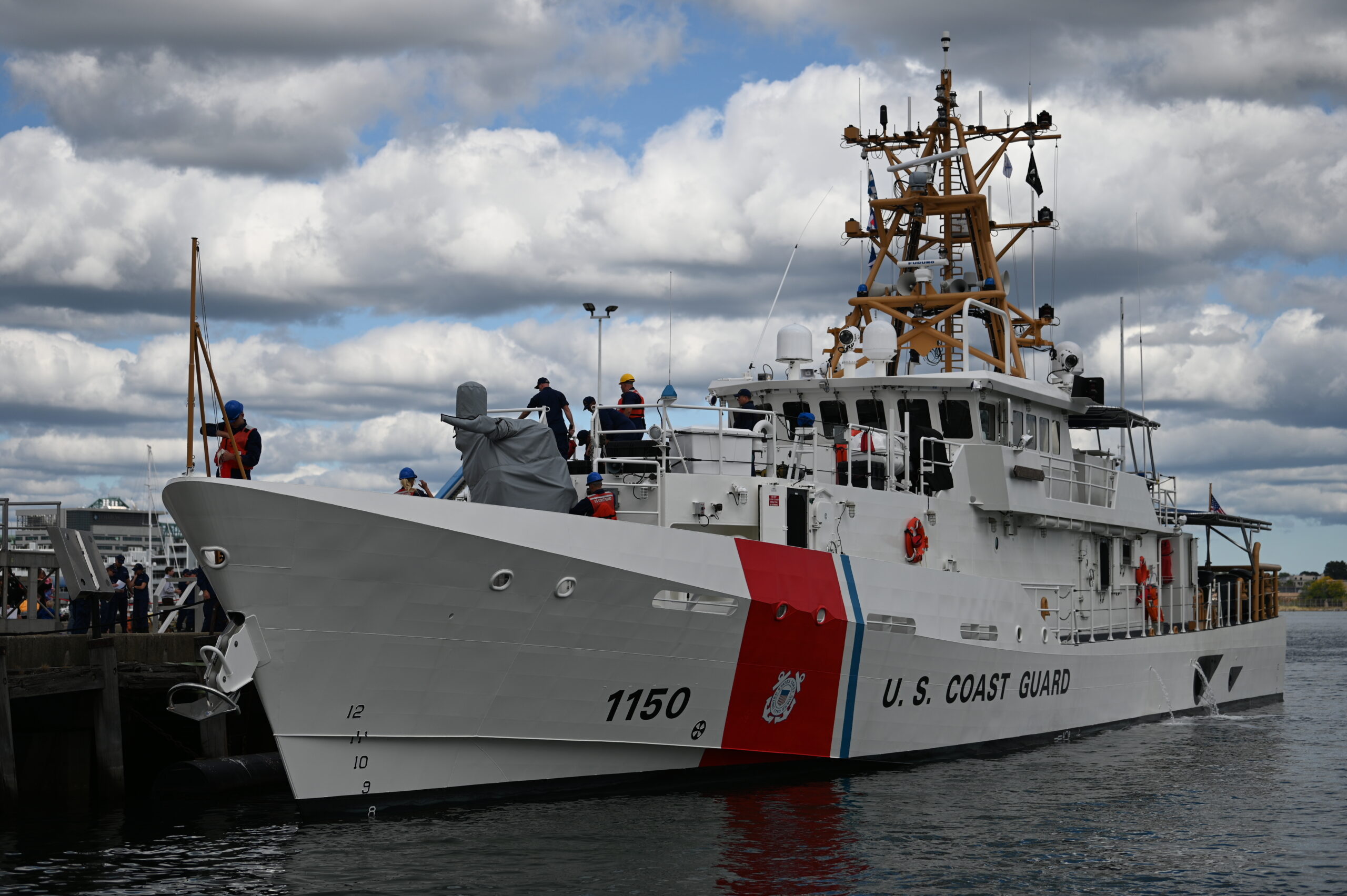
-
Retired Adm. Mike Day on 9/11: “When things were at their worst, the Coast Guard was at its best”
—Rear Admiral Mike Day reflects on the 9/11 boatlift, civilian mariners, and the leadership lessons he carried throughout his career.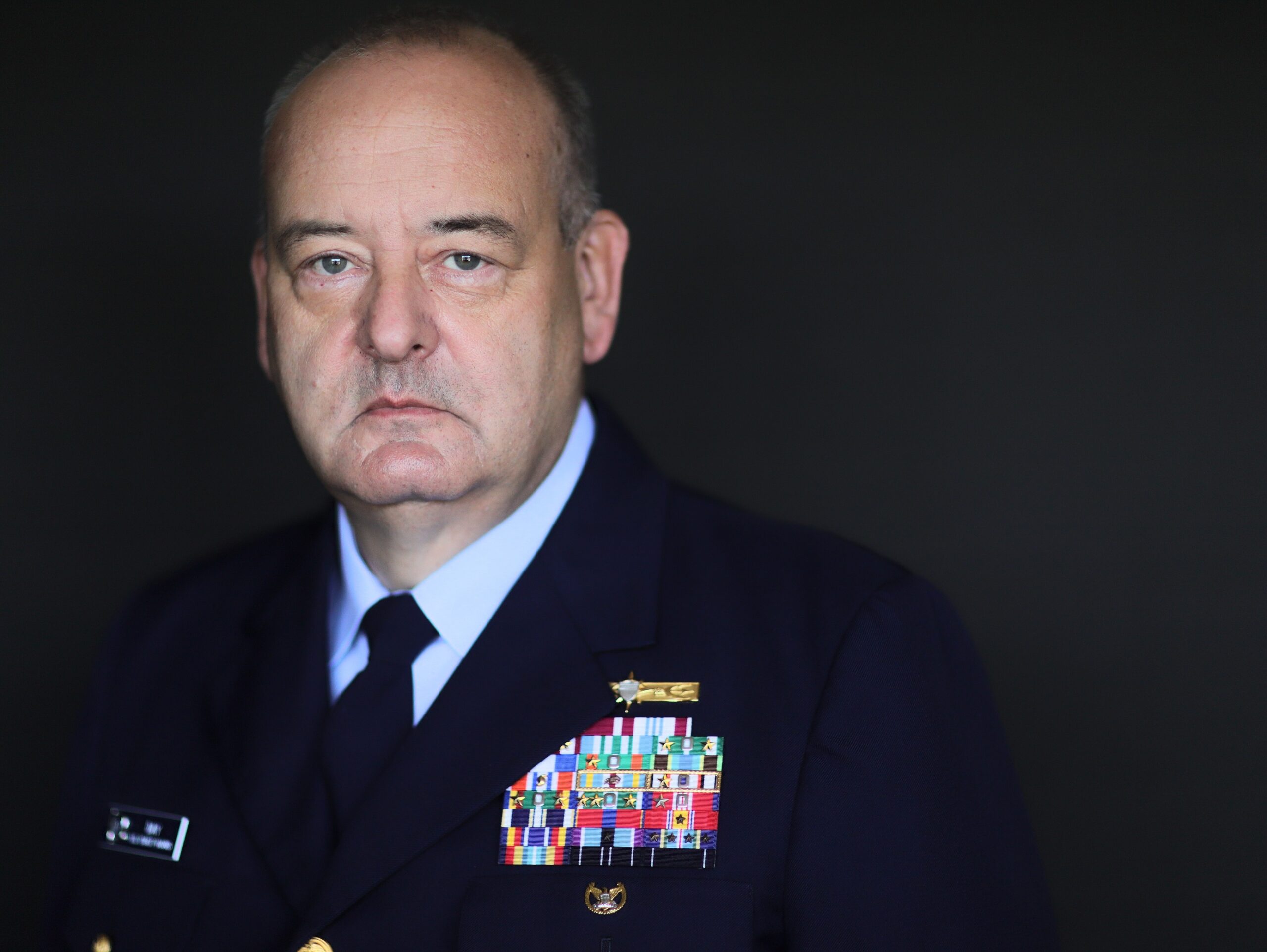
-
“Go Be Brilliant”—Leadership When There Is No Playbook: 9/11, Coast Guard Activities New York, and Rear Adm. Richard Bennis
—After 9/11, the New York maritime evacuation was only the beginning. Facing months of unprecedented port security demands, Rear Adm. Richard Bennis gave his leaders three words: “Go be brilliant.” Behind that simple charge was a command culture built on trust, preparation, relationships, and the freedom to innovate when no playbook existed.
-
“Go to New Orleans and do whatever you can to help!”—A Coast Guard aviator remembers Hurricane Katrina
—With no armor, no fixed plan, and reports of gunfire below, Cmdr. Jim O’Keefe flew into flooded New Orleans again and again, lifting survivors from rooftops, hospitals, and ambulances until 214 people were safe.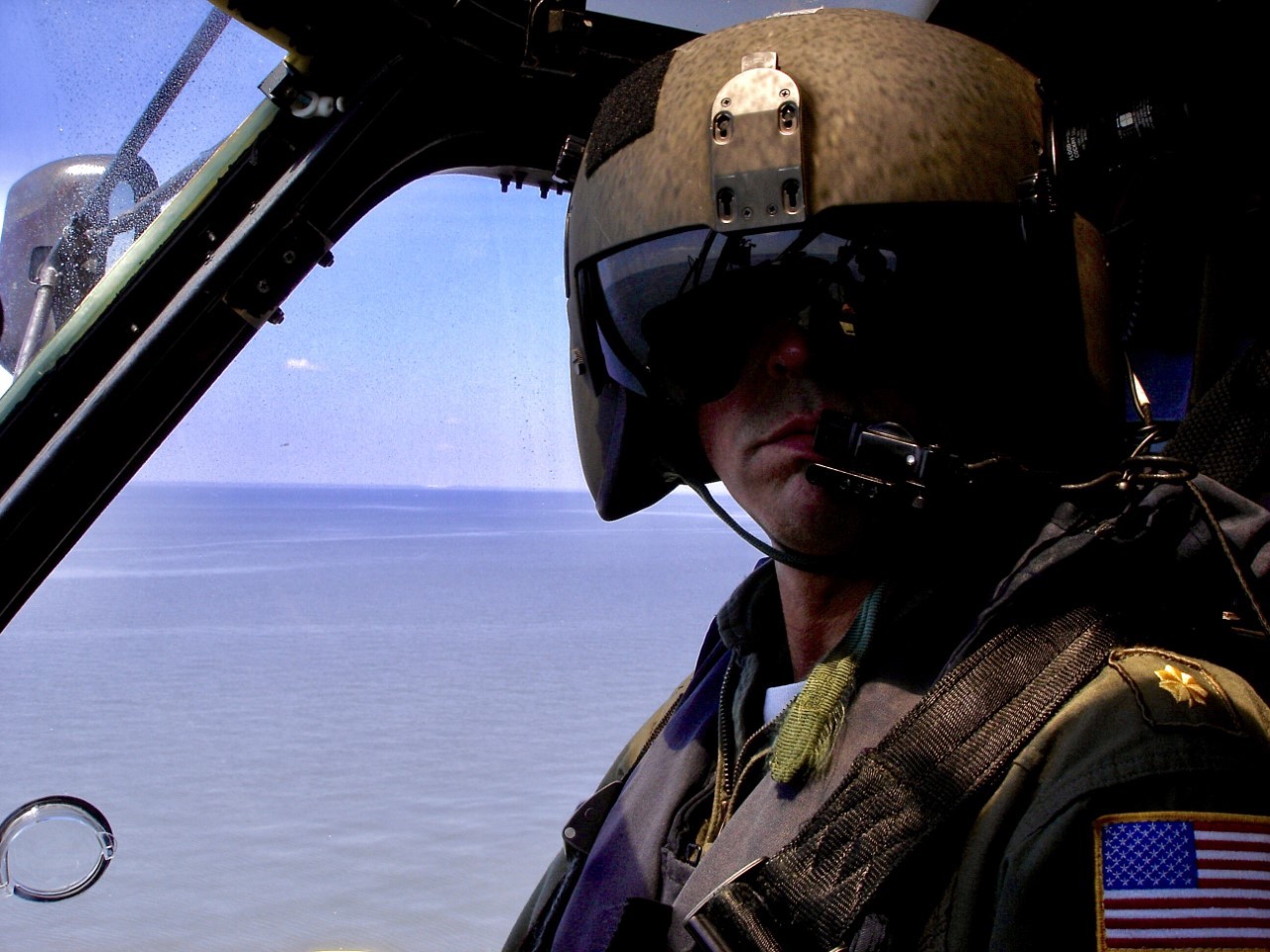
-
Sumner Kimball—The Second most important civilian in Coast Guard history
—A Maine lawyer with “Yankee common sense” quietly reshaped two 19th century agencies, cleaning up the Revenue Cutter Service, professionalizing the Lifesaving Service, founding the School of Instruction, and then helping engineer the 1915 merger that created the modern Coast Guard instead of letting it be dismantled.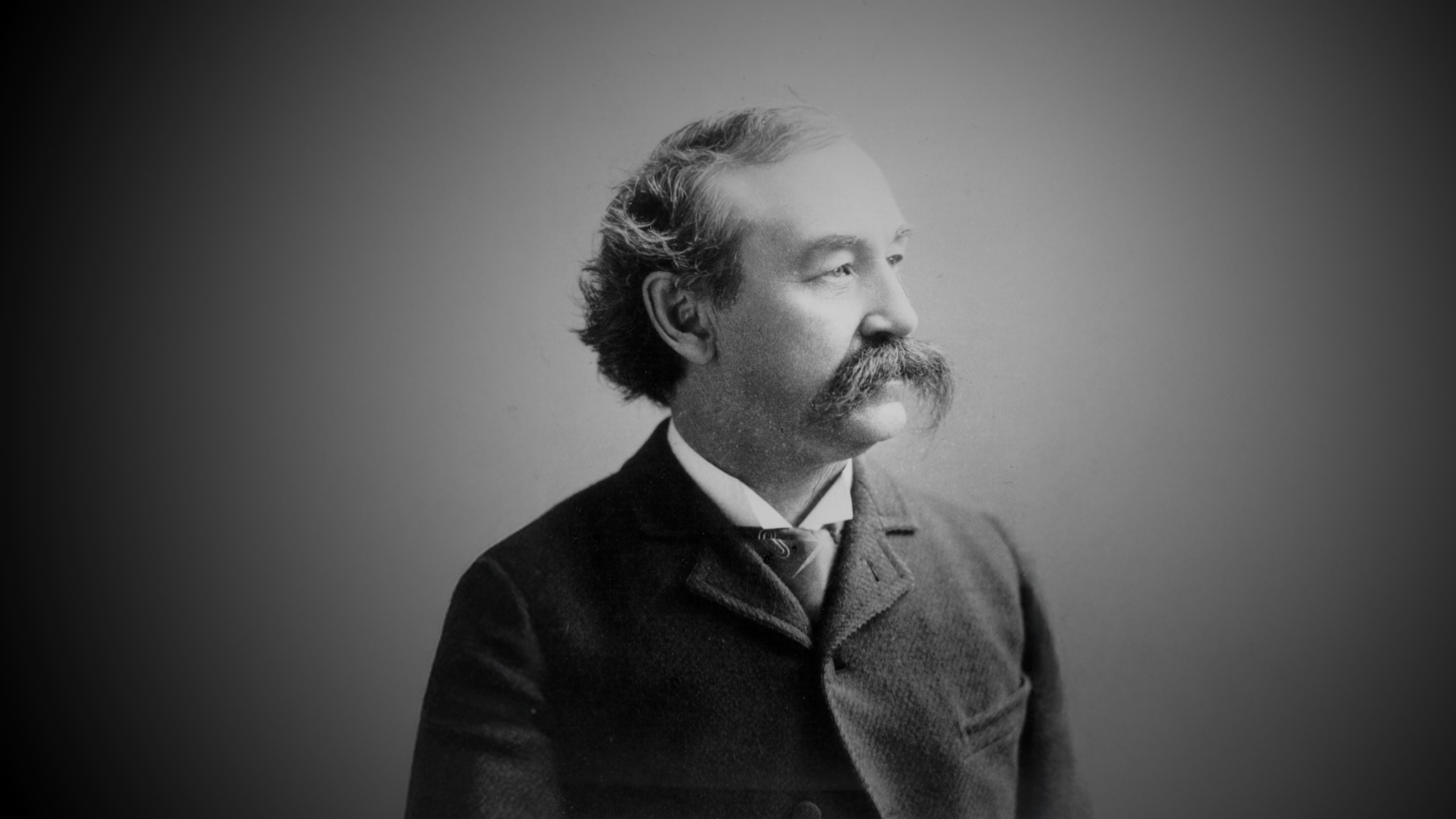
-
Hurricane Sandy and rescue of HMS Bounty
—One of Hurricane Sandy’s defining rescues unfolded in 30‑foot seas off Cape Hatteras, as C‑130 and Jayhawk crews flew at 300 feet in the dark, dropped swimmers into “washing machine” water, and hoisted 14 HMS Bounty sailors from two life rafts in the “Graveyard of the Atlantic.”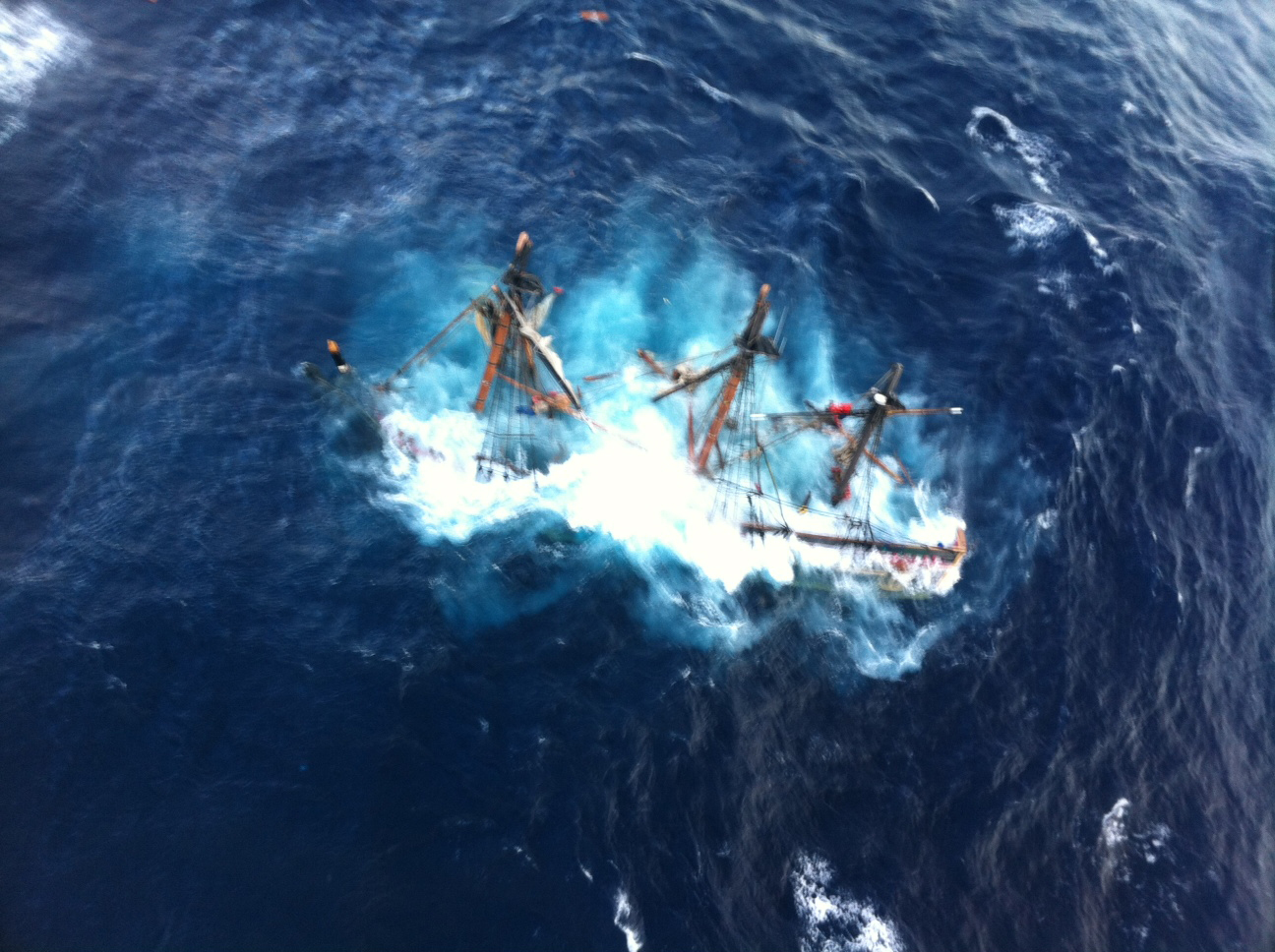
-
Station Nome—Saving Lives at the Edge of the Arctic
—On a beach with no harbor, at the end of a thousand‑mile supply line, a tiny crew rowed through Bering Sea surf, drove dogsleds in –40 degree below zero winters, fought fire and flu, and helped care for Native communities—all from the most isolated lifesaving station the service ever ran.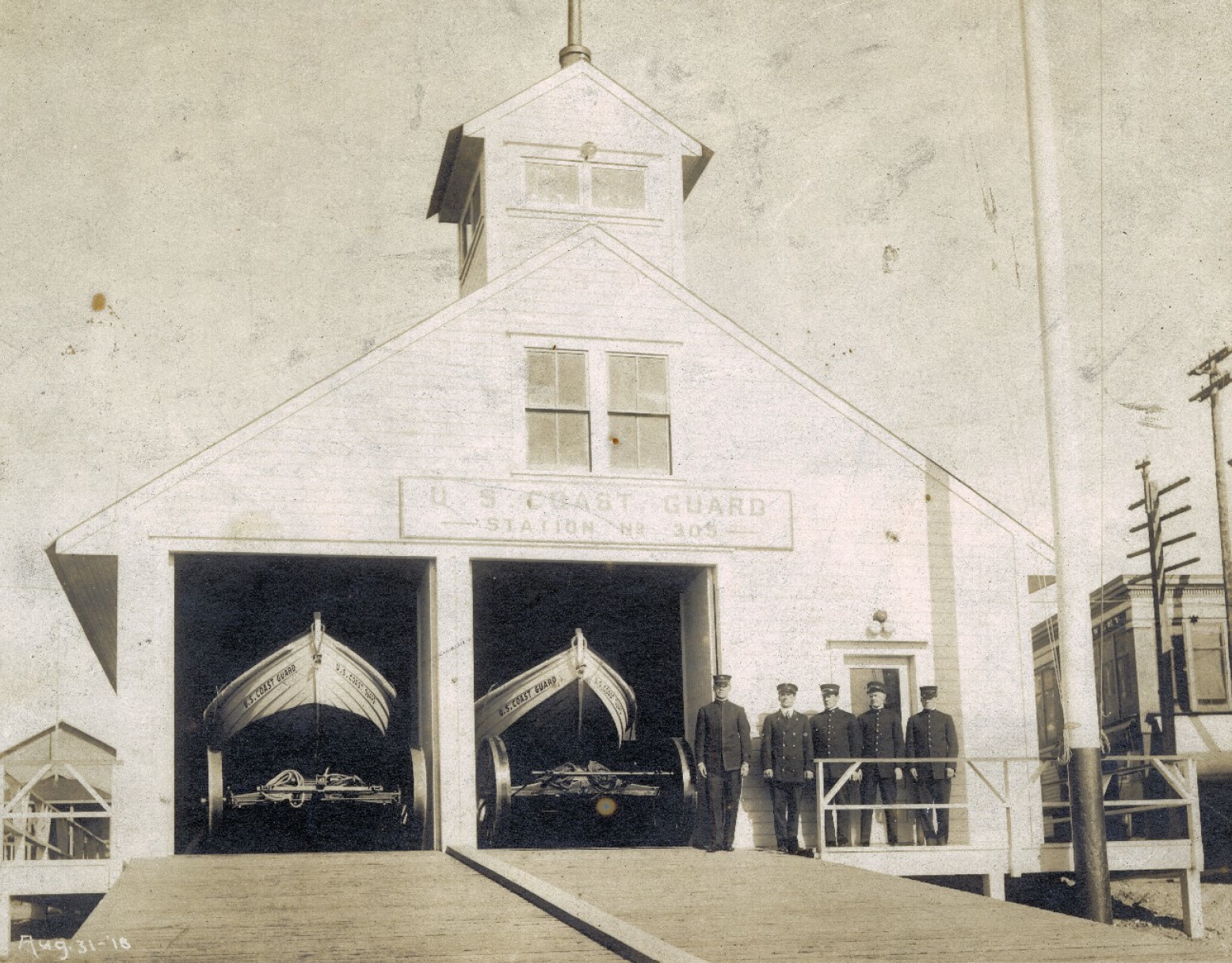
-
Alexander Hamilton and the Coast Guard as a U.S. Military Service
—From Hamilton’s “few armed vessels” to cutters and LEDETs in modern war zones, a small revenue force evolved into a full-fledged armed service that has answered every call from the age of sail to the Global War on Terrorism.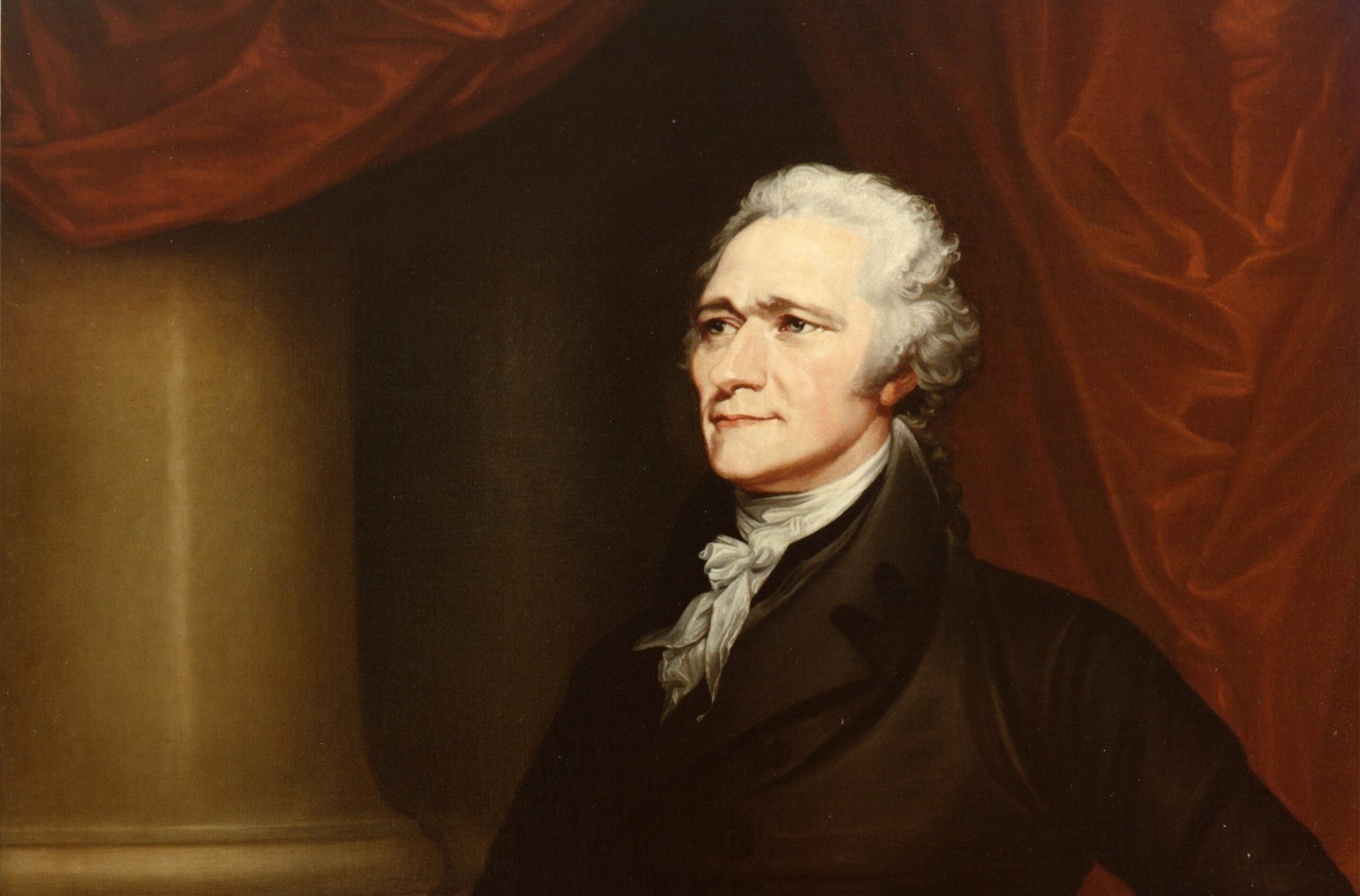
-
From Overland Rescue to Polar Security Cutters: The Evolution of U.S. Ice Operations
—From reindeer-driven rescues and wooden “ice resistant” cutters to Northwest Passage breakthroughs and new Polar Security Cutters, this story traces 150 years of operations that turned a frozen frontier into a year round mission set.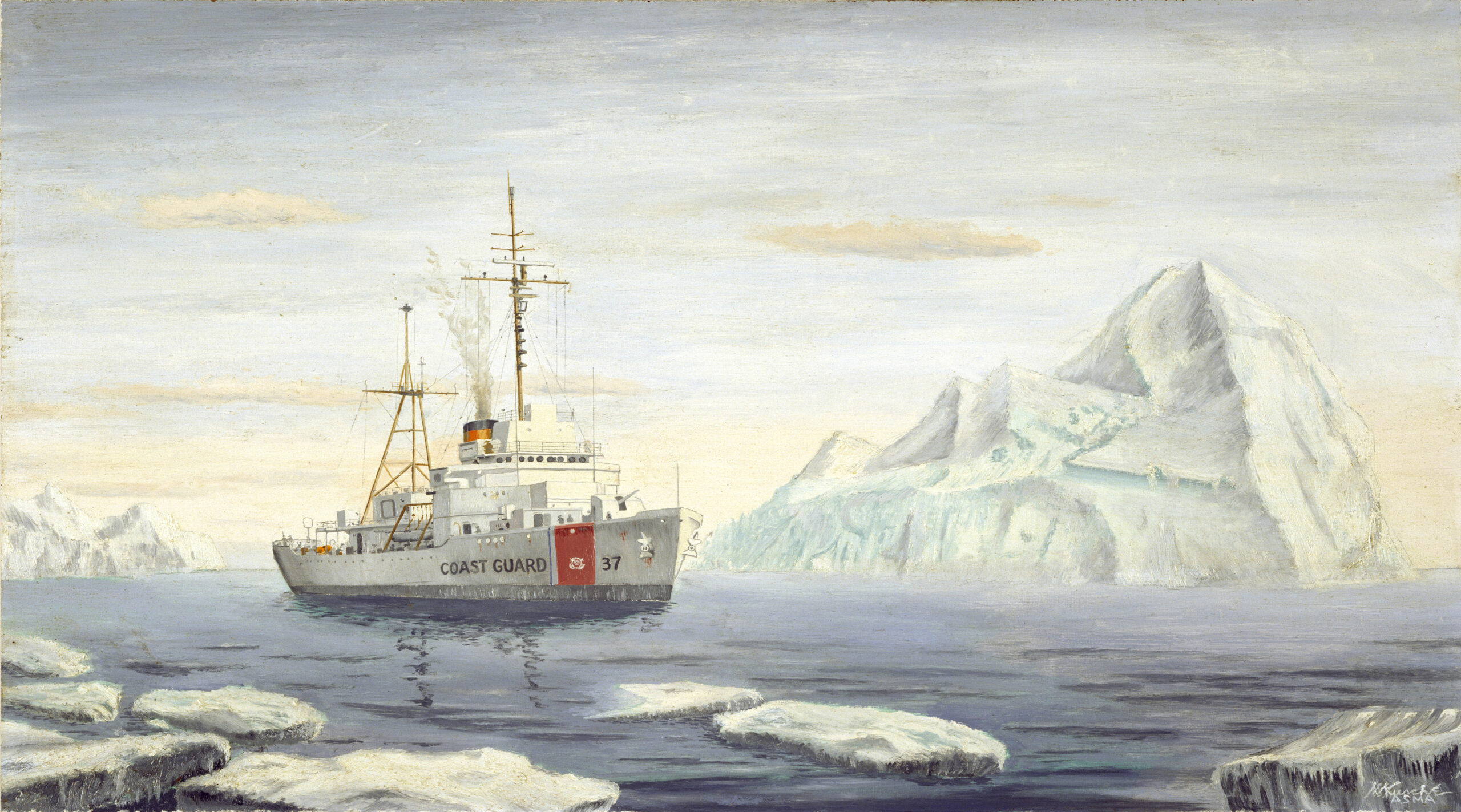
-
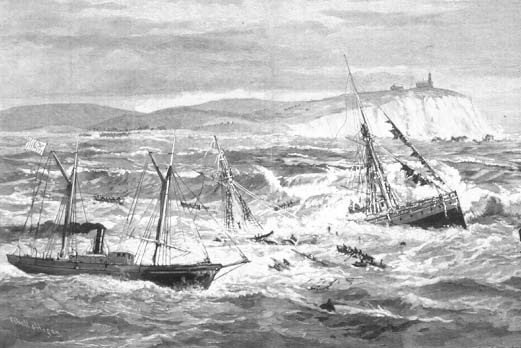
“They periled their lives for others”—The City of Columbus disaster and the dead of winter
—Night surf, shattered boats, and men lashed to frozen masts—volunteers and a cutter crew fought a killing gale to wrench life from a North Atlantic wreck.