-
Behind the Codes: The Hidden History of Coast Guard Unit #387
—From Prohibition-era rum runners to Axis spy networks during World War II, Elizebeth Friedman and the Coast Guard team known as Unit #387 cracked thousands of secret messages that helped disrupt criminal operations and support the Allied war effort.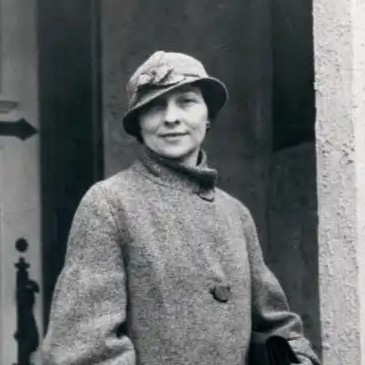
-
Drawing under fire: Combat artist Norman Thomas and the Coast Guard in World War II
—From icebound Greenland to the burning deck of USS Callaway and the beaches of Luzon and Iwo Jima, Norman Thomas drew what cameras could not: the fear, sacrifice, and human cost of war witnessed at close range.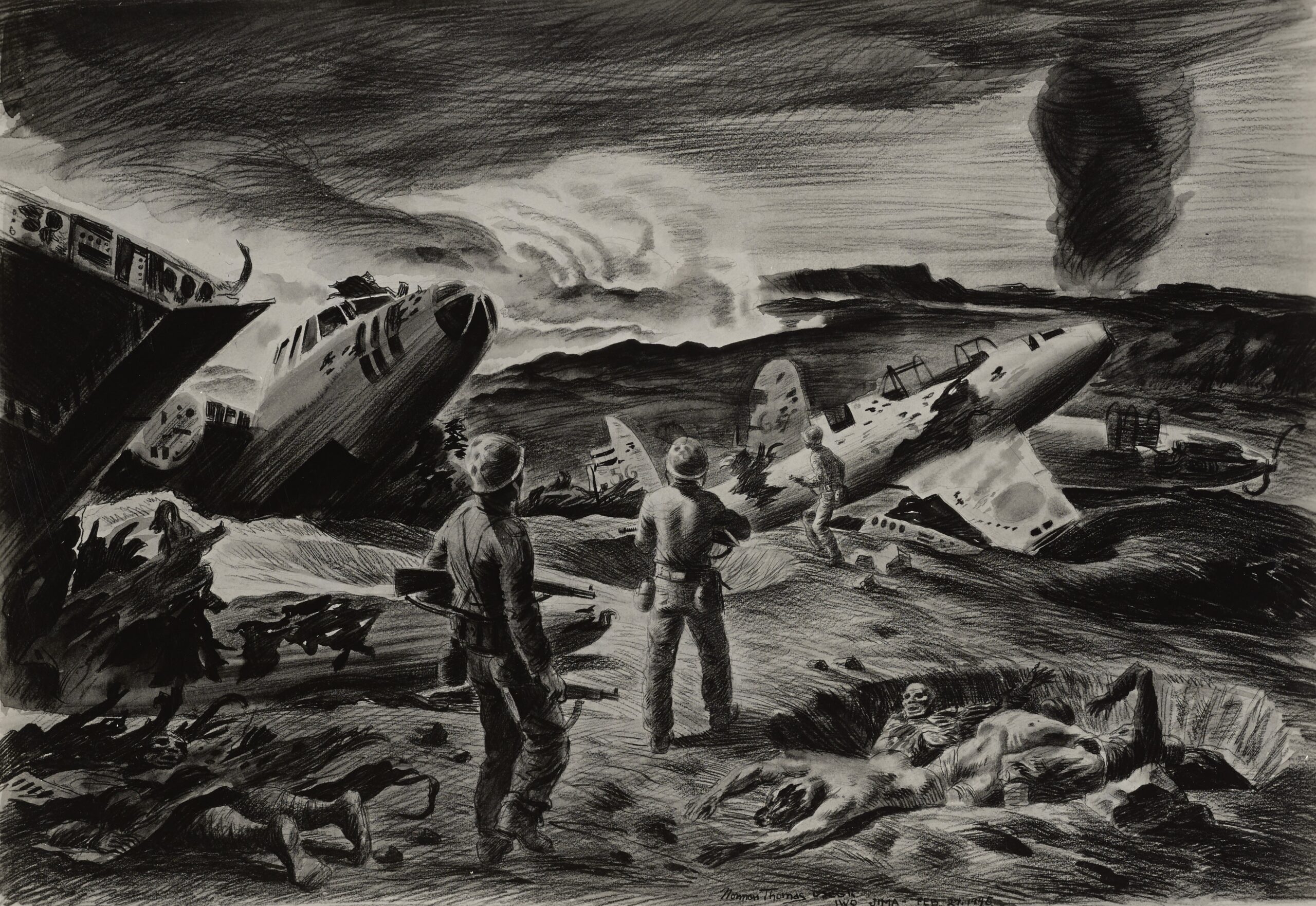
-
“Offense on Defense”—football legend Emlen Tunnell was a Coast Guard hero
—Before he became “Mr. Defense” and a Pro Football Hall of Famer, Emlen Tunnell saved a burning shipmate with his bare hands, jumped into freezing water to rescue another, and carried that same courage into a career that changed football history.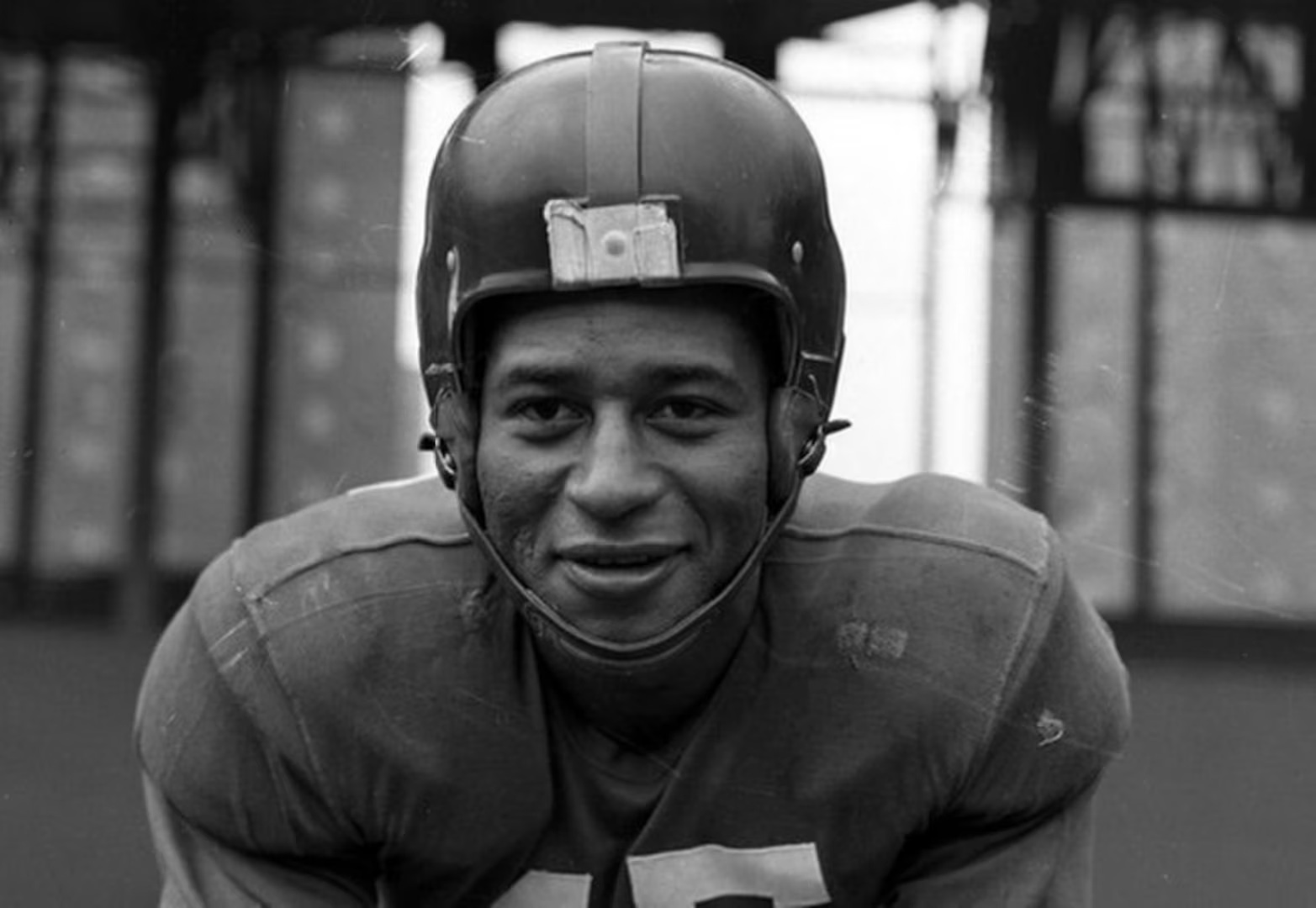
-
Retired Adm. Mike Day on 9/11: “When things were at their worst, the Coast Guard was at its best”
—Rear Admiral Mike Day reflects on the 9/11 boatlift, civilian mariners, and the leadership lessons he carried throughout his career.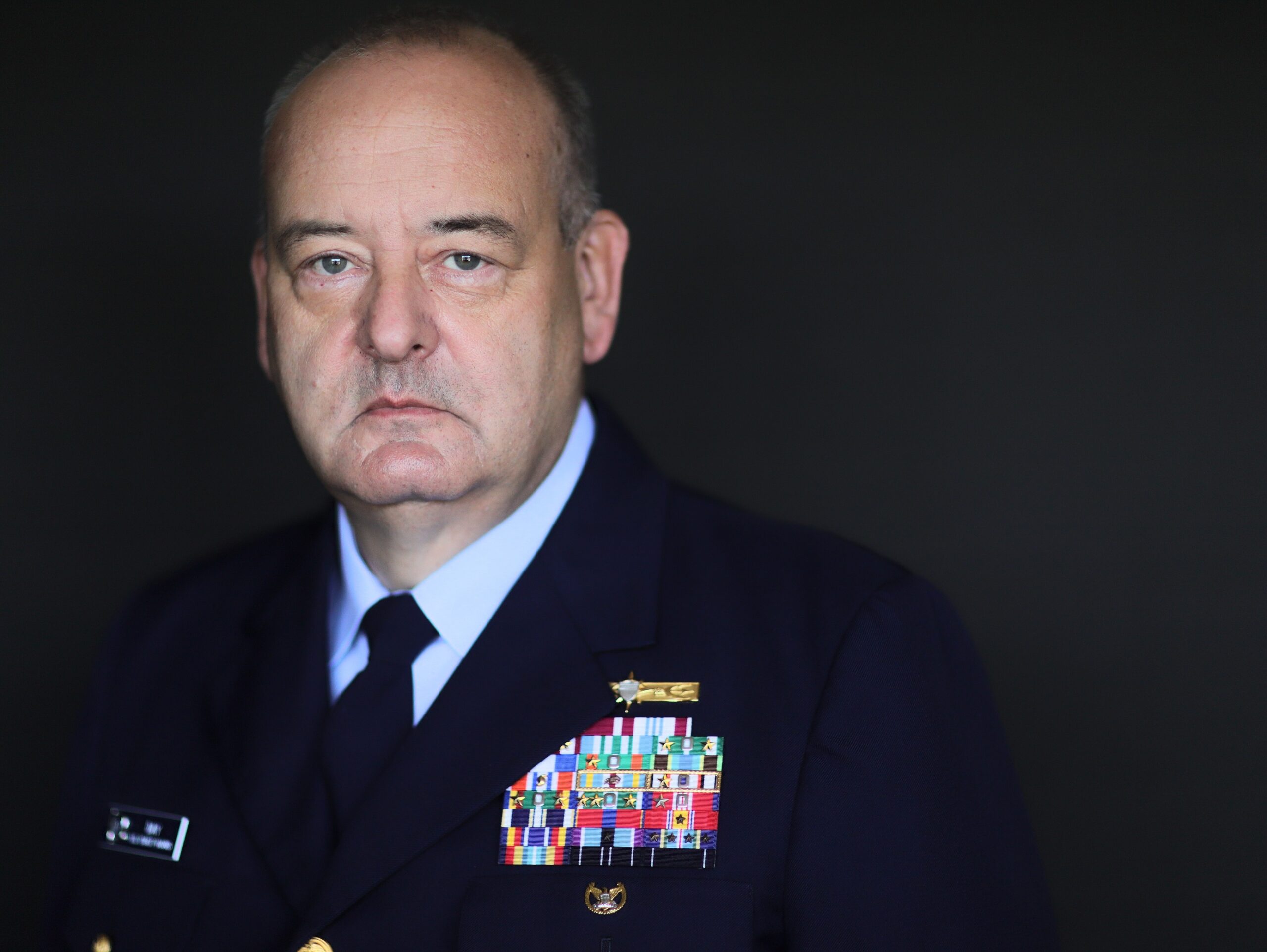
-
“Go Be Brilliant”—Leadership When There Is No Playbook: 9/11, Coast Guard Activities New York, and Rear Adm. Richard Bennis
—After 9/11, the New York maritime evacuation was only the beginning. Facing months of unprecedented port security demands, Rear Adm. Richard Bennis gave his leaders three words: “Go be brilliant.” Behind that simple charge was a command culture built on trust, preparation, relationships, and the freedom to innovate when no playbook existed.
-
From Near Extinction to Rebirth: The Coast Guard’s First Reorganization
—A federal efficiency drive nearly erased the Revenue Cutter Service. Instead, Sumner Kimball and Ellsworth Bertholf turned crisis into a merger that joined cutters with lifesaving stations, created the modern Coast Guard in 1915, and forged a military service ready for World War I.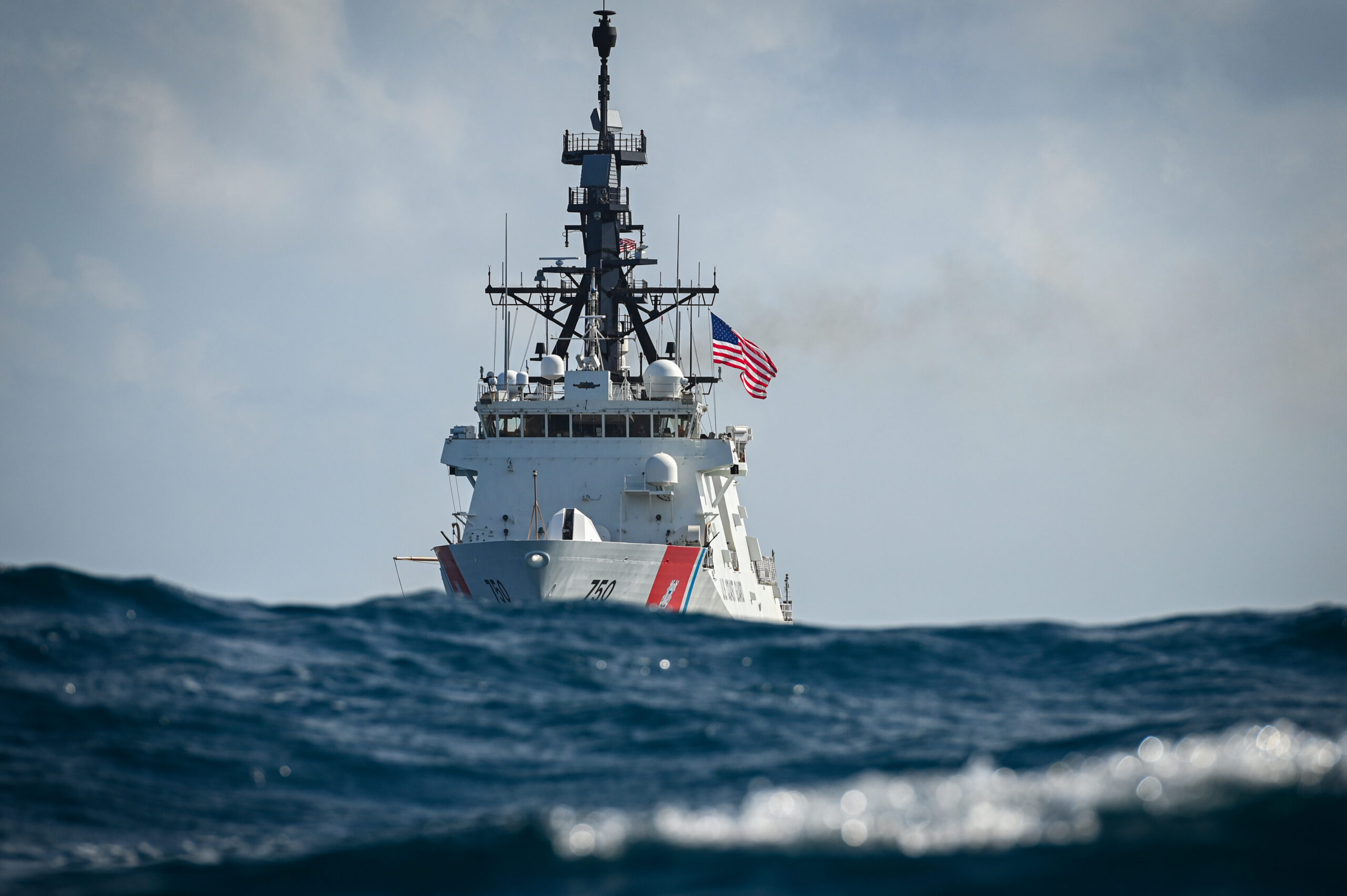
-
Serpens—Coast Guard’s worst loss of life
—In a flash off Guadalcanal, the Coast Guard-manned USS Serpens vanished while loading depth charges, killing 197 Coast Guardsmen, 51 Army stevedores, and a Public Health Service surgeon. Only two men aboard survived the blast that remains the service’s deadliest disaster.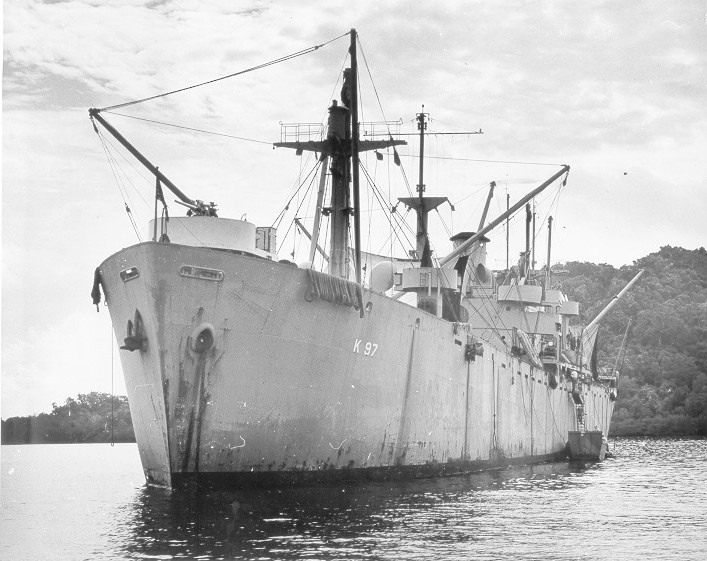
-
From Advisors to Ocean Stations: The Coast Guard’s Korean War Transformation
—The Korean conflict never sent cutters into gun duels, but it changed the service forever—turning early advisory work in Seoul into a global web of ocean stations, AIRDETs, LORAN, and port security that cemented the Coast Guard as an independent military branch in wartime.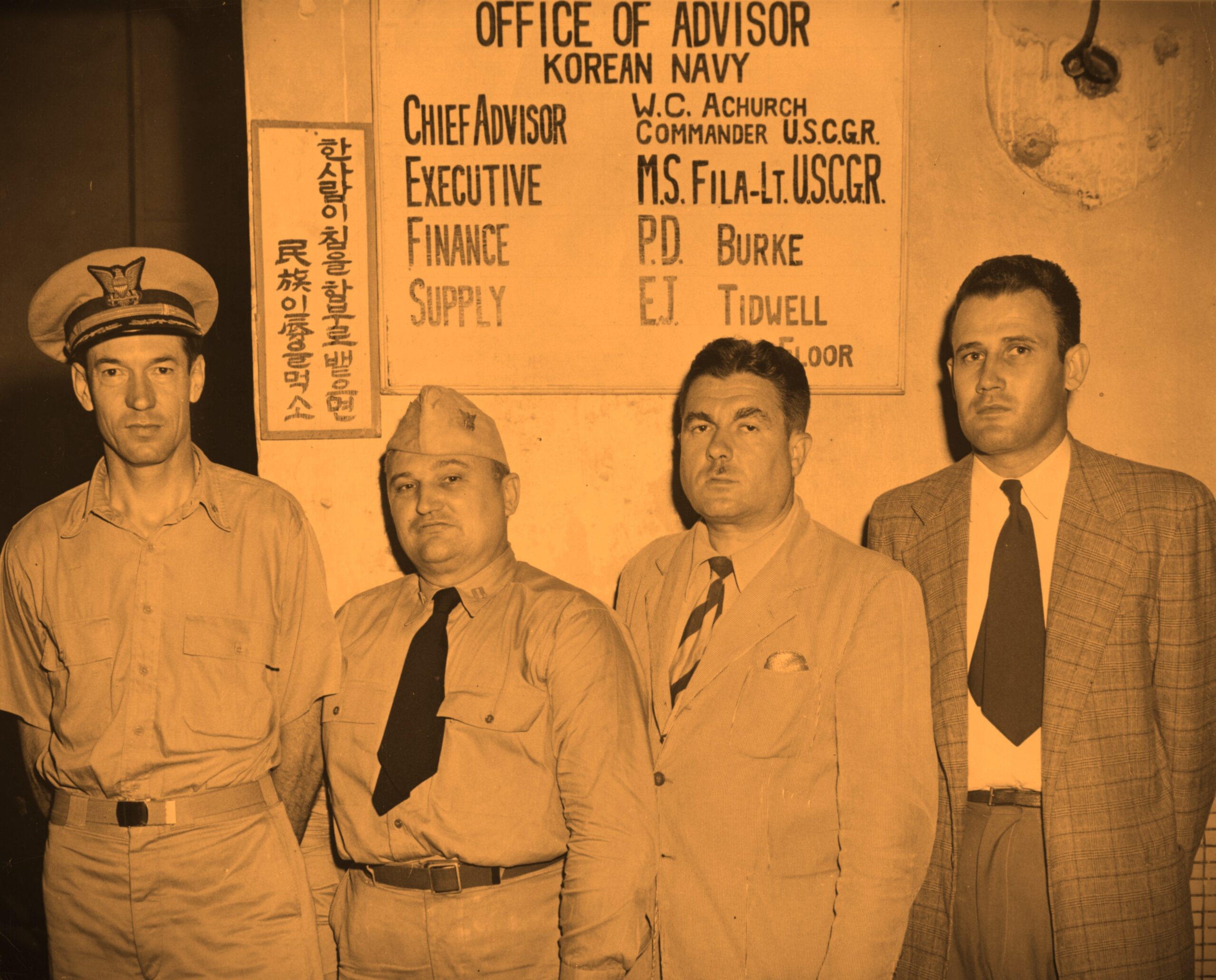
-
No ordinary hero—Silver Star recipient and FRC namesake Robert Yered
—In the pre‑dawn chaos at Cat Lai, a rocket‑hit ammunition barge began to burn with fifteen thousand tons of explosives nearby. Engineman Robert Yered ran toward the flames, helping put the fire out and preventing the destruction of three ships and an Army terminal—then came home to live as a quiet groundskeeper few realized was a Silver Star hero.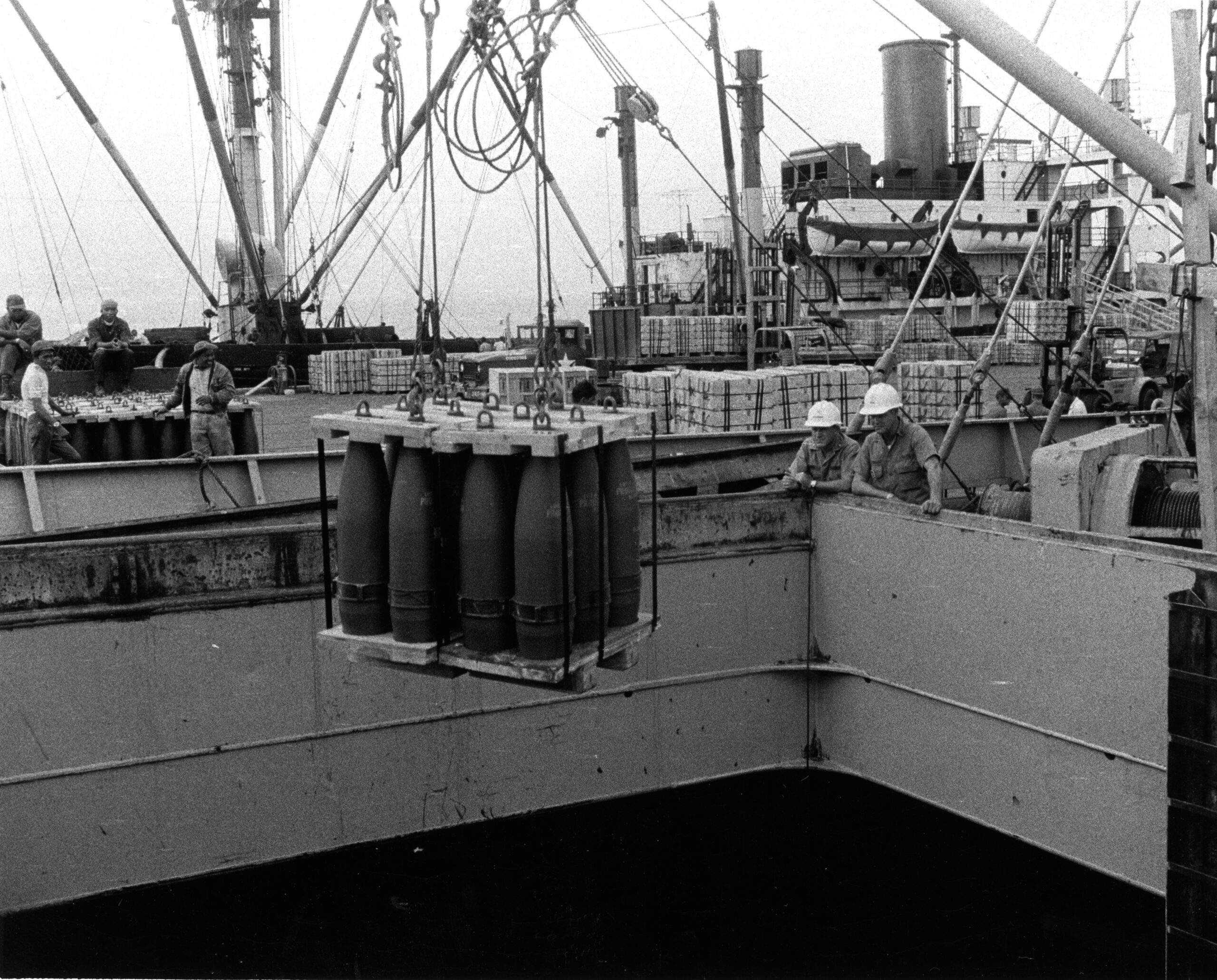
-
The Coast Guard in Vietnam—patrols, cutters, and courage at sea
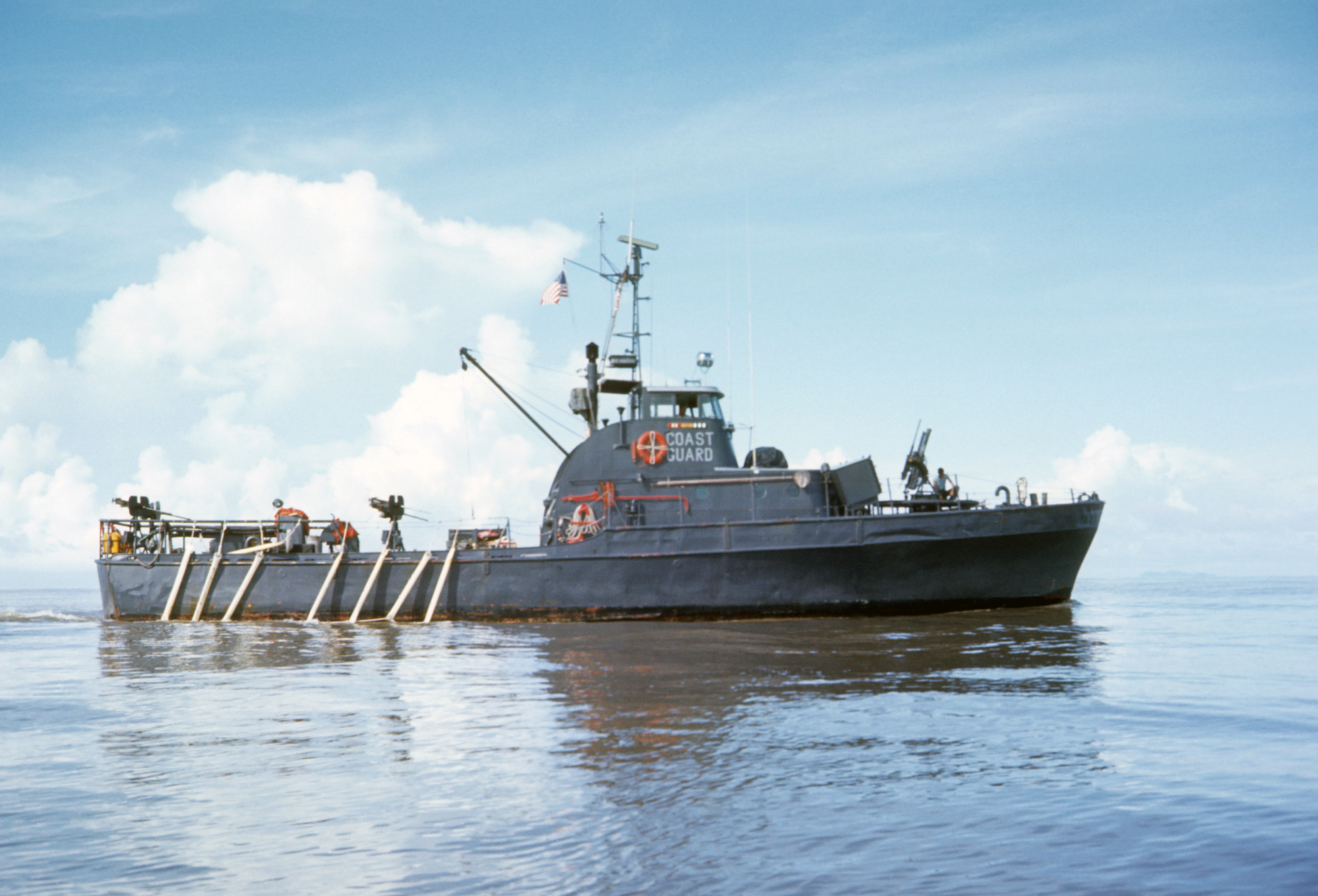
—Eight thousand Coast Guardsmen served in Vietnam—interdicting, rescuing, training, and building LORAN and ATON systems that proved critical to the war effort.