
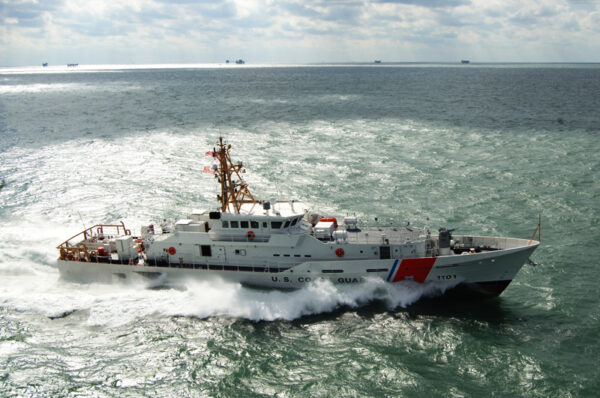
The first Fast Response Cutter (FRC) USCGC Bernard Webber (WPC-1101), was commissioned in 2012, commencing a legacy of Coast Guard patrol boats honoring and preserving the legacy of Coast Guard enlisted heroes. Upon commissioning of the Webber, the plank owner commanding officer, Cmdr. Herb Eggert, started a tradition of gifting copies of Michael Tougias and Casey Sherman’s book The Finest Hours to crewmembers during their report to the unit. Through this gift, he ensured his crew knew the story of the Gold Lifesaving Medal crew of Station Chatham and he enabled them to learn how Boatswain’s Mate First Class Bernard Webber and his crew battled 60-foot seas, traversed a treacherous bar, and ultimately saved 32 men from the Pendleton after it split in two. With this small gesture, Eggert acknowledged that FRCs have a vital link to our Coast Guard history, ensuring that cutter namesakes and their crews are remembered by future generations for their heroic acts.
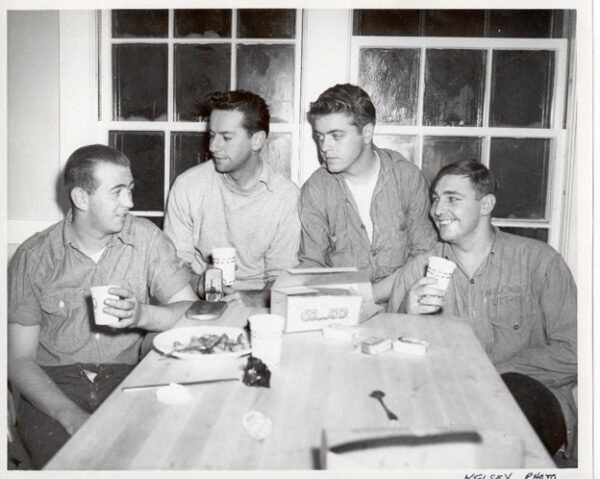
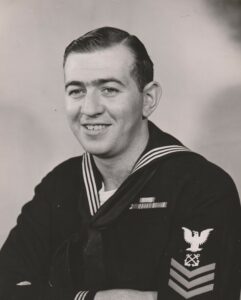
Three years earlier, in May 2009, aboard a Coast Guard jet enroute to Washington, D.C., then-commandant, Adm. Thad Allen, and then-Master Chief Petty Officer of the Coast Guard Skip Bowen decided to name the new fleet of FRCs after enlisted heroes. Their decision came hours after Allen and Bowen attended funeral services on Cape Cod for Chief Warrant Officer Bernie Webber. This decision would enable every future commanding officer, like Eggert, to honor legacies that “reflect the highest traditions of the Coast Guard’s rich history and core values.”
Had Allen and Bowen decided not to honor enlisted Coast Guard heroes, they had plenty of options as Coast Guard Policy states:
Cutters will be named after significant geographic locations; distinguished service members and key persons shaping Coast Guard history; Secretaries of the department under which the Coast Guard has served or is serving; important events throughout Coast Guard history; other service ships that were manned by Coast Guard personnel; famous past cutters; wildlife and natural elements ; bodies of water ; Indian tribes; mythological figures ; nautical elements ; nautical land masses ; and nautical tools and equipment.
Policy provides ample opportunity to name cutters after inanimate locations and flora and fauna. However, such namesakes fail to leverage the potential energy of a crew’s camaraderie, based on Coast Guard history, to inspire our daily commitment to the core values. Our FRC fleet enables us to be closer to our past; it creates motivation for our daily routines; and it implores us to strive for excellence as we honor and uphold a namesake’s legacy.
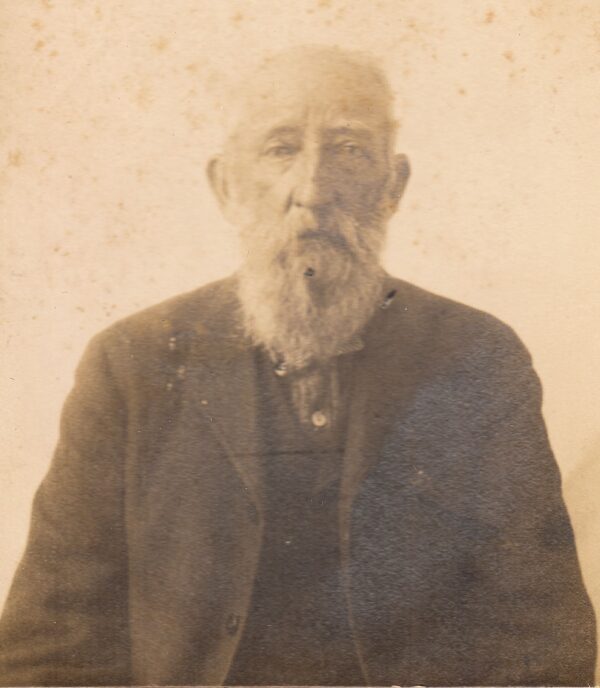
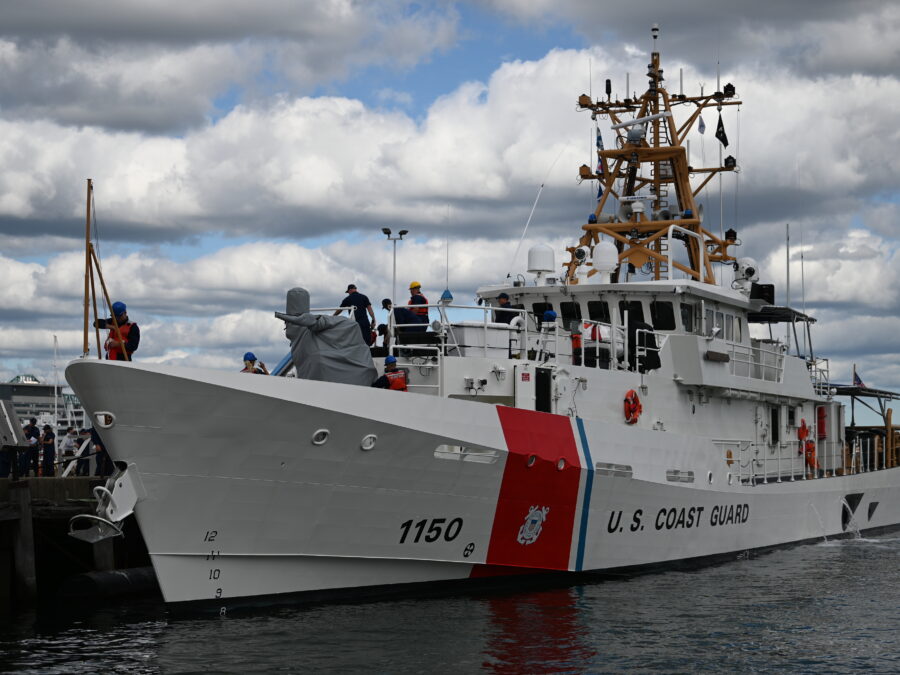
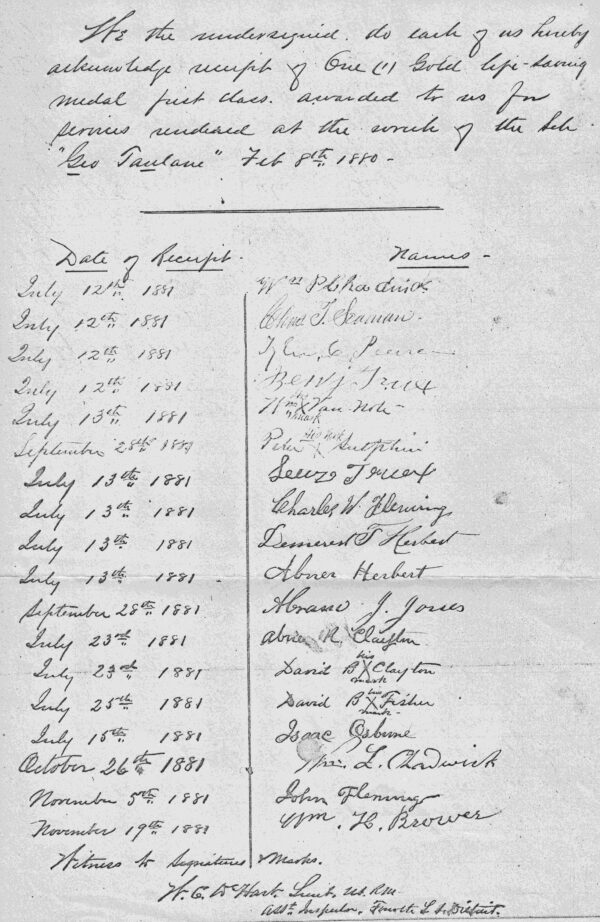
Showcasing this commitment to honoring the FRC’s namesake, the crew of USCGC William Chadwick (WPC-1150) maintains ties to the U.S. Life-Saving Service in ways that a cutter named more arbitrarily would not have the opportunity to. On Feb. 3, 1880, Capt. William Chadwick and 18 others from the U.S. Life-Saving Station at Swan Island Station, Green Island Station, as well as local volunteers struggled through the cold and heavy surf to rescue five members of the crew of the American-flagged schooner George Taulane off the coast of Manasquan New Jersey. Keeper Chadwick and his crew responded after the Taulane arrived off New Jersey during a severe nor’easter which caused the Taulane’s cargo to shift and catch fire. Although the burning cargo was successfully thrown overboard and the vessel’s anchors were set, the damaged vessel drifted south along the shore. Spotted by both the Swan Island and Green Island station lookouts, Chadwick and his crew quickly responded.
Green Island was equipped with a 26-foot pulling surfboat transported on a two-axle boat wagon. The station gear also included a life cart and a single-axle beach cart equipped with the station’s beach apparatus, including a breeches buoy. Since the station was not provided with a horse, this equipment had to be hauled to stranded vessels by the surfmen tethered to the wagon with rope slings. There were no roads available to the rescuers, which meant the equipment had to be dragged over dunes and through sand.
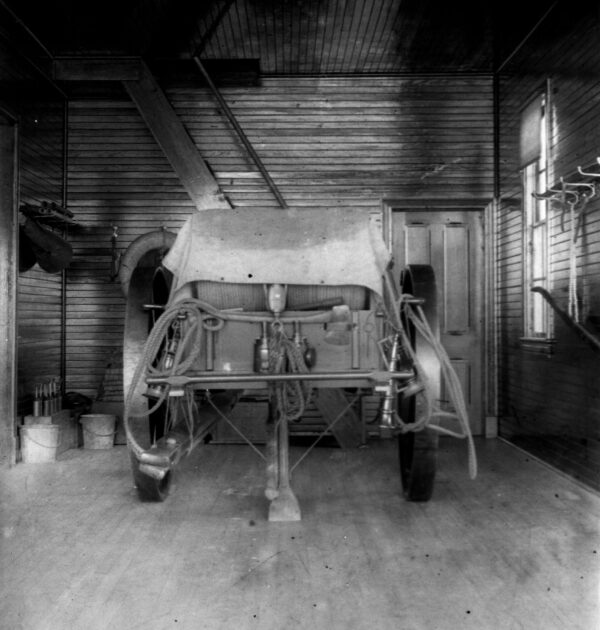
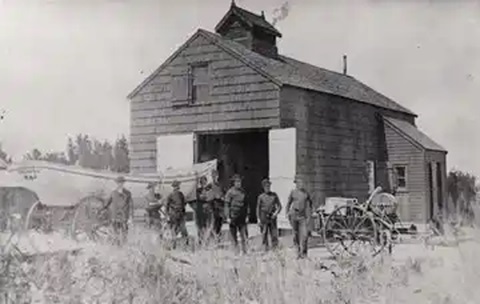
The exhausted Green Island men hauled the beach cart up the beach to the wreck and met the surfmen from the Swan Island Station. The heavy seas jerked the Taulane off the first sandbar and forced it south, killing two Taulane crewmembers in the process. Despite dangerous waist-deep surf along the beach and wet quicksand slowing their progress, the two lifesaving crews under Chadwick’s command moved south to keep up with the schooner. The men fought to move the lifesaving equipment through the soft sand, stopping periodically to set-up their Lyle Gun and fire a shotline out to the drifting vessel. Large pieces of the schooner’s hull and superstructure began breaking off, coming ashore and injuring the rescuers, including Chadwick himself. Finally, a team of horses was found to pull the beach cart. Even so, it was still difficult to keep up with the drifting schooner. At one point, the heavy surf overturned the station’s beach cart, dumping the Lyle Gun into five feet of water. The small cannon was recovered but had to be hand-carried from then on.
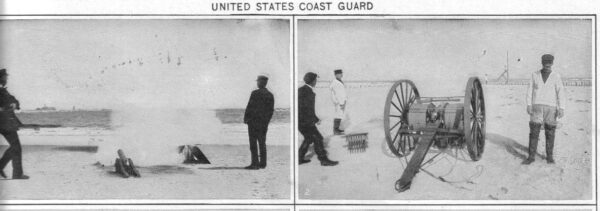
On the sixth attempt, a shotline was successfully attached to the Taulane. By that time, the schooner had settled over a mile south of the Green Island Station. A breeches buoy was rigged, but the rolling of the schooner required a team of men to pull on the hawser to maintain tension. Fortunately, local volunteers joined the two station crews to help keep the hawser taught. Meanwhile, the lifesavers operated the whip lines of the beach apparatus to pull the breeches buoy back and forth saving the five desperate survivors. The fight to save the crew of the George Taulane took Chadwick and his crew over six hours. The battle with Mother Nature for the poor souls desperately clinging to life on the Taulane stretched over three miles of waist-high water and soggy sand. Based on a review of the rescue report, the Life-Saving Service deemed Chadwick, both station crews and the volunteer lifesavers worthy of the prestigious Department of Treasury Gold Lifesaving Medal. Nineteen men received the medal-the most awarded for any single rescue.
In my first month of command on board CGC William Chadwick, my crew of 21 responded to a vessel that caught fire and signaled distress. Relying on the FRC’s latest technology, the crew responded to an after-sunset call of “May Day May Day May Day, we are on fire and abandoning ship.” The bridge team plotted the position and set a course, and the engineers enabled the cutter to safely transit at 30 knots until arriving on scene. Assessing Fishing Vessel Three Girls, engulfed in flames and its crew nearby in a life raft, Chadwick assumed On Scene Commander, and maintained communications with multiple aircraft. Chadwick’s crew launched its boat and safely embarked five fisherman and a NOAA observer, bringing them into the comfort of the cutter and delivering them to family and friends the next morning in Portland, Maine.
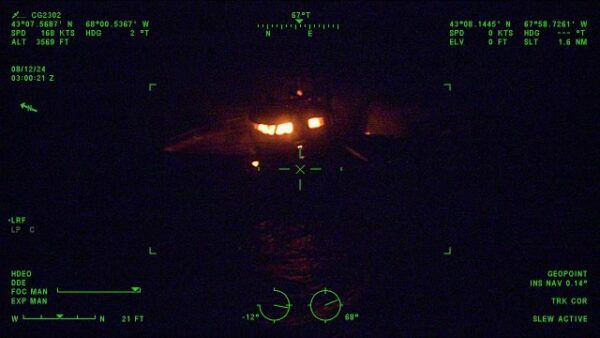
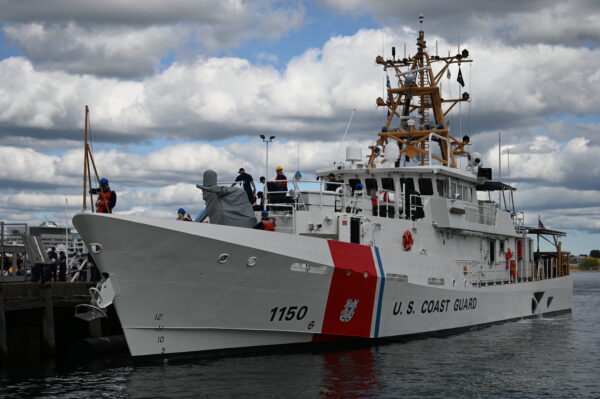
The Three Girls rescue made me realize that our cutter’s preparations were like Keeper Chadwick’s and his crew. Only through dedicated training could he have prepared to respond to the M/V Taulane and its seven men in distress. And, only through dedicated training could my crew have responded to the F/V Three Girls case. Throughout my next 24 months on board Chadwick, the crew would respond to 15 other vessels in distress.
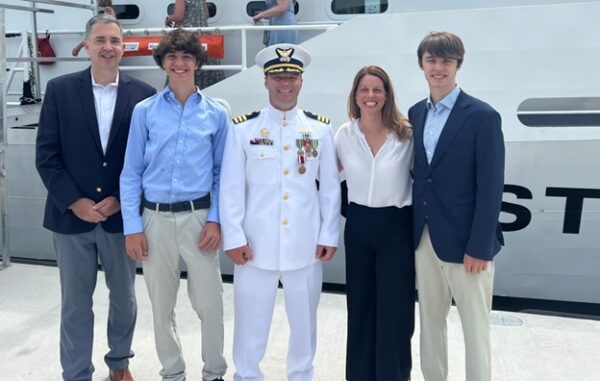
FRC crews have a duty to honor their namesakes and their legacy beyond a plaque on the mess deck. On board Chadwick we are fortunate to do this through an active group of Chadwick family descendants that have attended the commissioning, its first change of command, and a northern New Jersey 145th anniversary celebration of Keeper Chadwick’s rescue.
On the 146th anniversary of the rescue in 2026, Chadwick’s crew attended a guided tour of the nearby Hull Life Saving Museum in Massachusetts to better understand the U.S. Life Saving Service and the heroics of Keeper Chadwick. This brought the 1880s to life with the retelling of the heroics of Keeper Chadwick and his crew, surrounded by the equipment used by Keeper Joshua James. The experience hammered home the dedication and training required by Keeper Chadwick, his crew, and all those who served in the Life-Saving Service.
It is an honor to weave history’s lessons into today’s operations. Remembering this history and applying the relevancy to our modern operations starts with our annual remembrance but it continues with mindful training to answer the call of those in distress. Through engaged history, honoring of our namesake, and dedication to the readiness required by first responders, our crew understands their time serving on board the Chadwick is not just a check in the box towards attaining a sea time requirement or their certifications.
Being a crewmember on board CGC William Chadwick fulfills a commitment to the American public to uphold the sacred duty of search and rescue, and be ready to arrive on scene well trained, just like Keeper Chadwick and the volunteers and surfmen from the Green Island and Swan Island lifesaving stations. On board Chadwick we hold strong our “Devotion to Duty” by honoring those who came before. Across the fleet FRC crews can operate at a higher capability by better understanding their legacy and integrating Coast Guard history into our everyday purpose and commitment.
National Coast Guard Museum insider tip: The museum explores the origins and growth of the Lifesaving Service through the brave deeds of these dedicated crews, highlighting the Coast Guard’s search and rescue history. Presented through imagery, artifacts, and narrative content, exhibits explore how men like William Chadwick and lifesaving crews across the nation dedicated themselves to the preservation of life at sea. The museum also presents the evolution of cutter development, culminating with the design, function, and operations of the Sentinel-Class Cutters.