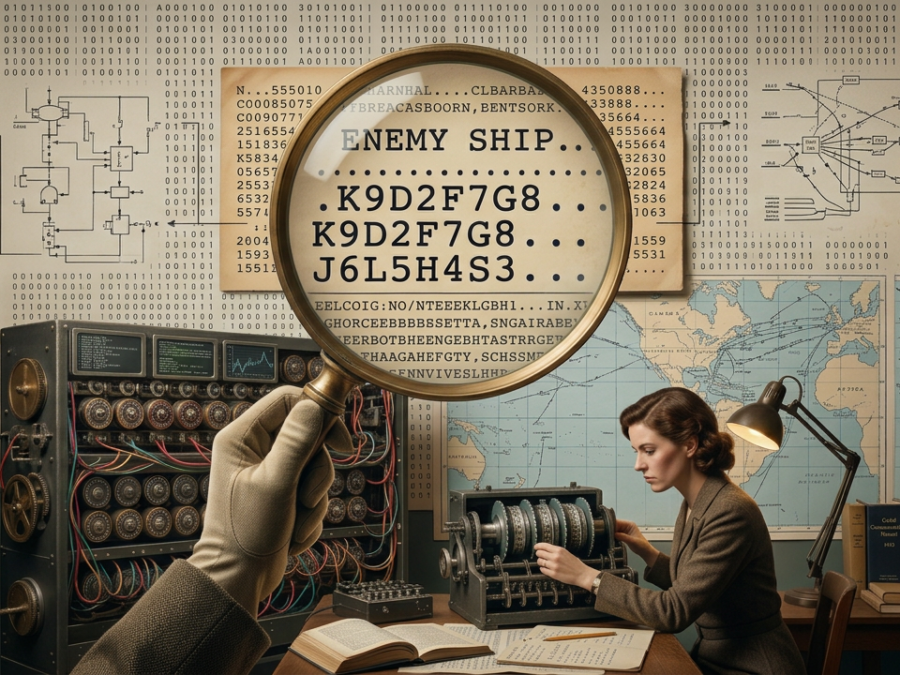
The history of early twentieth-century Coast Guard cryptography is largely defined by one name: Elizebeth Smith Friedman. Thanks to researchers such as investigative journalist Jason Fagone (The Woman Who Smashed Codes, 2017) and Coast Guard historian, Dr. David Rosen (“Mrs. Friedman—The Coast Guard’s ‘Cryptologist in Charge’” The Long Blue Line, 2020), her story is now widely accessible. Though often lost in Friedman’s story are the other members of her codebreaking team, known collectively as “Unit #387” (scholars are unsure as to where this title originated). The few dozen other individuals, who Friedman often managed and trained herself, contributed much to deciphering the messages of Prohibition-era rum running smugglers and enemy Axis agents around the globe during World War II. This is a brief telling of their story.
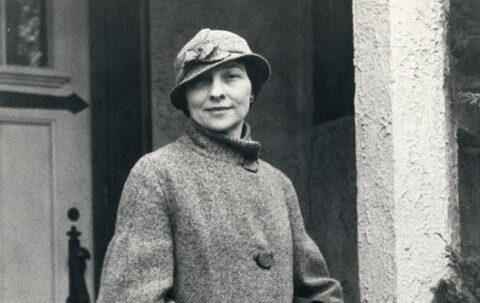
The small but very effective Coast Guard unit found its origins during Prohibition’s so-called Rum War (1920-1933), where organized criminal syndicates used cryptography to mask their illegal activities. Coast Guard and Treasury Department (or “T-Men”) cryptanalysts intercepted and cracked smugglers’ secret messages, then transmitted by short-wave radio. The service recruited Elizebeth Friedman to perform such operations in 1925 and only provided her with a single clerk (a woman, whose name remains unknown today) in 1929 when the work demands became unmanageable for one person.
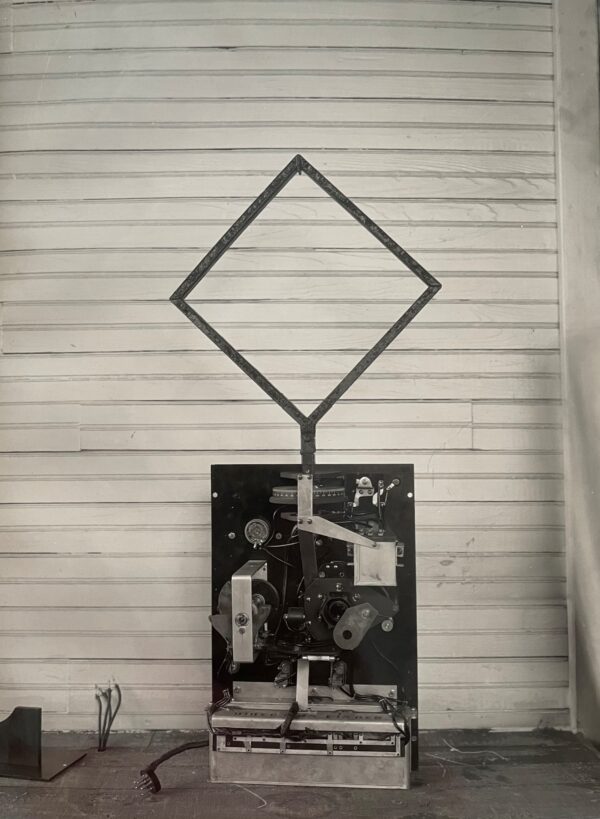
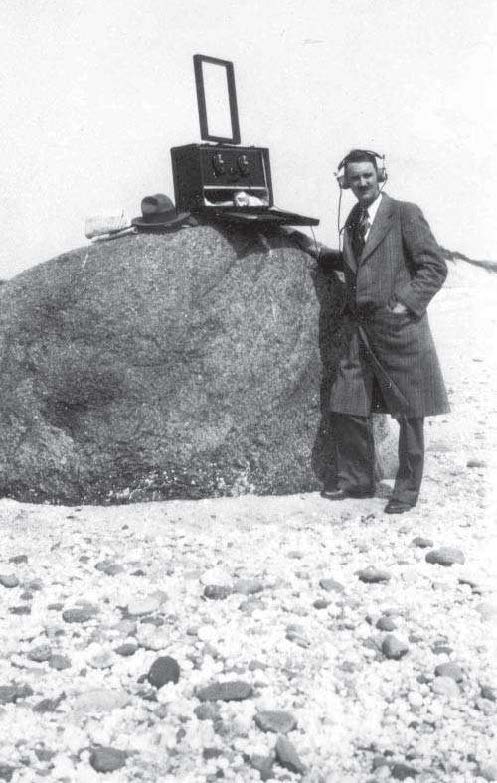
With ever-increasing numbers of incoming, scrambled communiques, however, Friedman’s team necessarily had to expand even further. At her request, the Coast Guard eventually established the more formal Unit #387 in July 1931, which was comprised of three additional cryptanalysts and two stenographers; Friedman was tasked with leading the cutting-edge unit. Their efforts disrupted the activities of many of these criminal organizations and led to several high-profile prosecutions before Prohibition’s end. As the service’s focus shifted from rum running to the looming storm of World War II, the Coast Guard placed an ever-increasing emphasis on studying the secret dispatches of international German and Japanese spy rings.
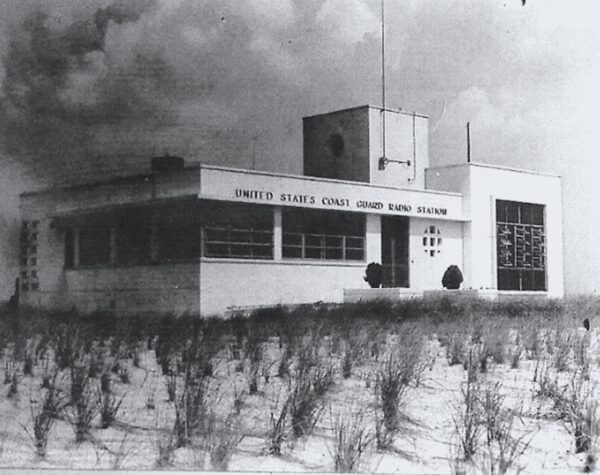
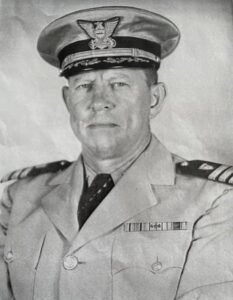
Unlike the Prohibition era that preceded it, where the identities of those in Unit #387 were largely shrouded in mystery, scholars today have a somewhat clearer picture of who occupied its ranks before and after America’s entry into the war. Via Franklin Roosevelt’s Executive Order 8929 of November 1941, the Coast Guard’s functions were eventually transferred over to the Navy Department. Friedman was still able to train and direct her team for a few months following the merger, but in June of 1942, the Coast Guard assigned Lt. Commander Leonard T. Jones to serve as its uniformed Officer in Charge. Friedman stayed on as the unit’s lead cryptanalyst.
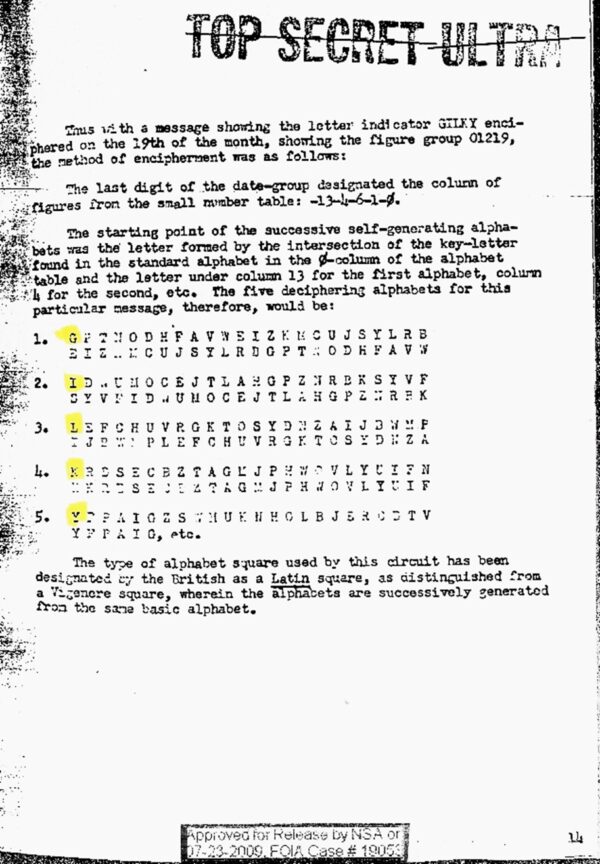
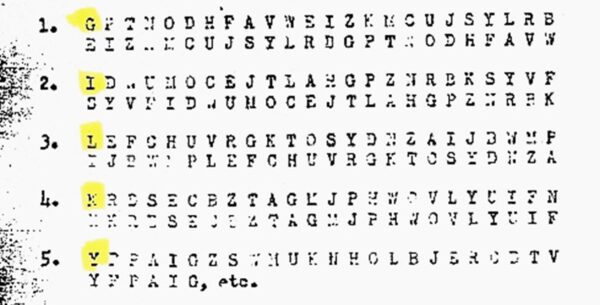
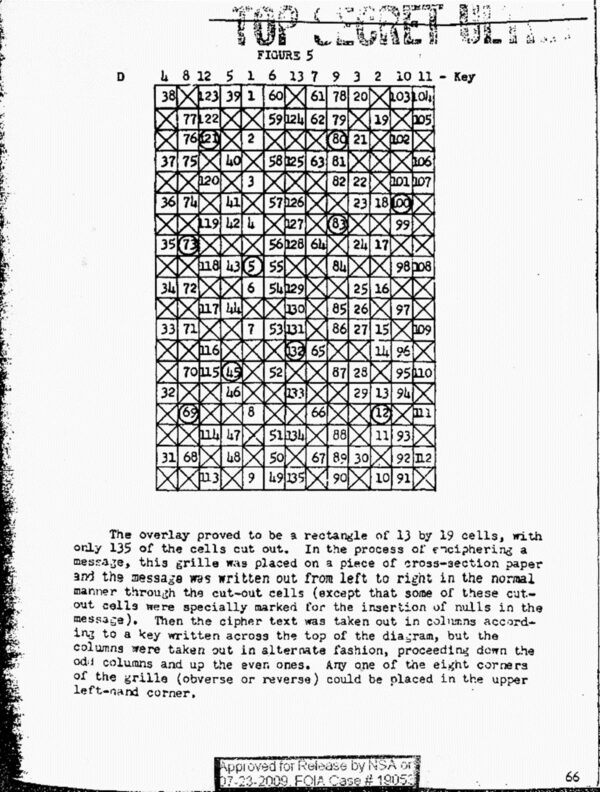
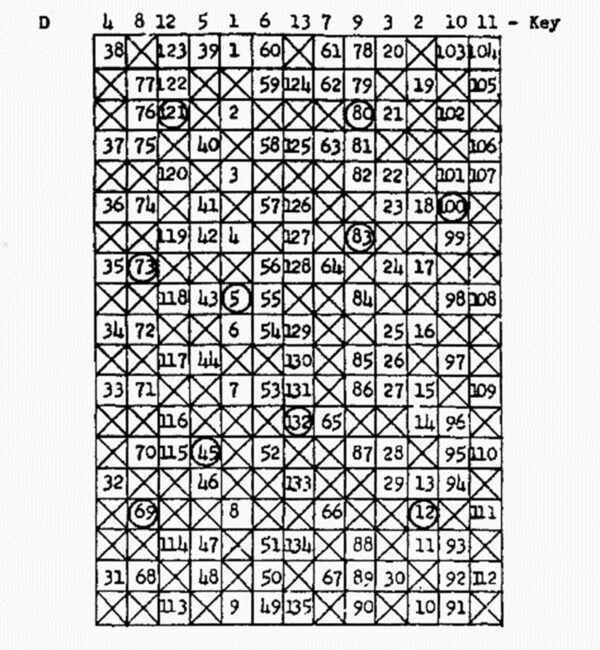
As the war progressed, the growing deluge of intercepted messages requiring attention led to even more calls for increased military staffing. In March 1943, for instance, records indicate that Unit #387 was composed of 12 total members. That number nearly doubled just four months later to 23, including 12 Women’s Reservists, or “SPARs” (for “Semper Paratus—Always Ready”). Between 1940-1945, the Coast Guard’s cryptologic team cracked over 8,500 of these encoded messages and had an undeniable impact on the ultimate Allied victory. The service disbanded Unit #387 in either late 1945 or early 1946, and its records remained classified until 2009.
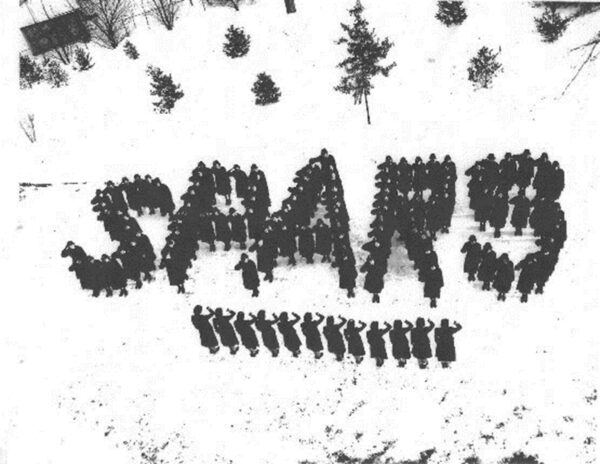
Beyond Elizebeth Friedman’s well-deserved place in the history of Prohibition-era and World War II Coast Guard cryptography, approximately two dozen other cryptanalysts and related administrative personnel deserve consideration as well. Though most of these members’ names, ranks, and specific contributions are still anonymous today, historical studies have recently uncovered at least some information about those who worked for and alongside Mrs. Friedman in her secret fights against rum runners and Axis spy networks. Perhaps time and tenacity will reveal even more about the team once curiously known as “Unit #387.”
National Coast Guard Museum insider tip: Elisabeth Friedman’s story will be told on Deck 3, Enforcers on the Sea.
About the Author(s)